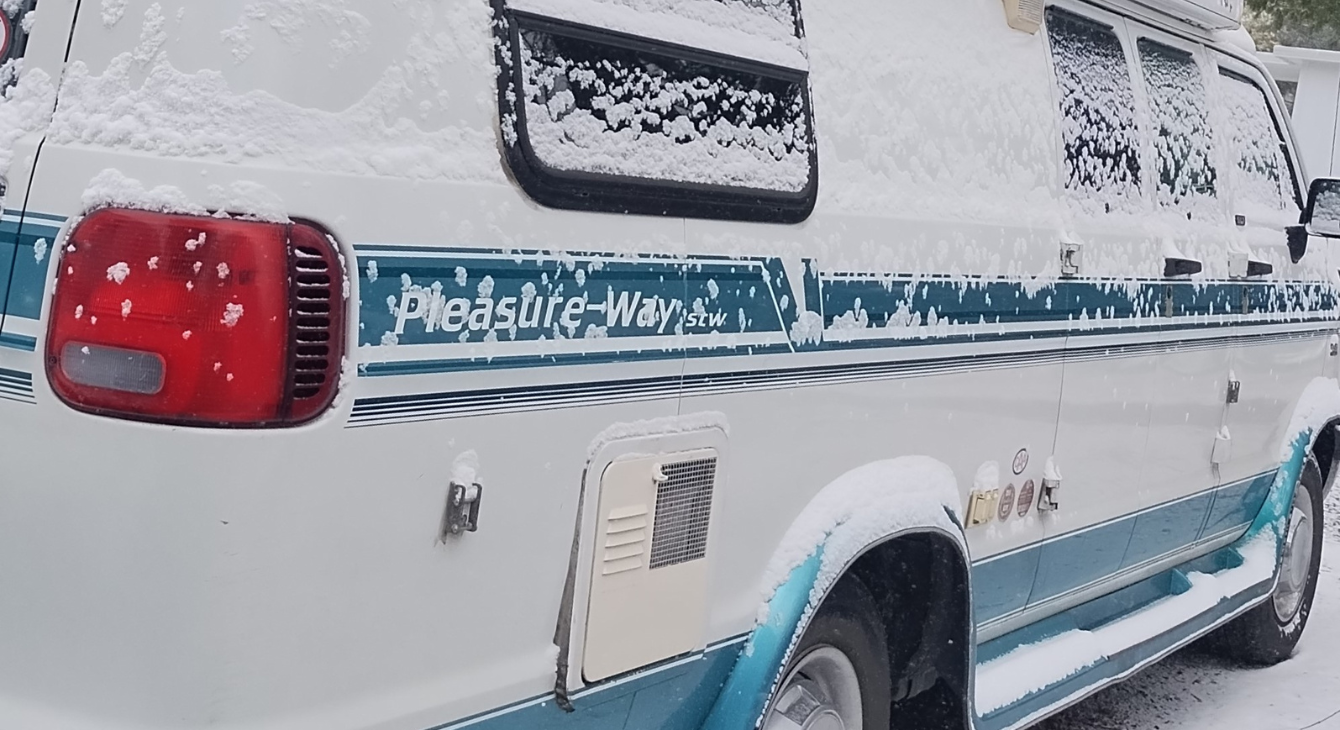
I woke up at 7:47 a.m. in the campervan, a Pleasure Way 6.5m motorhome. I was toasty and warm in my sleeping bag. It was 4°C inside and -5°C outside. The wind had dropped, and I realized that winter RVing is less about suffering and more about choosing to feel vividly alive.
Most people assume RVing and motorhomes belong to summer, sunshine, open roads, and sausages on the barbie. For some of us, though, winter camping in an RV isn’t a seasonal detour; it’s the main event: frosty, alive, and a touch ridiculous. So, which is it, cozy or downright crazy? Read on.
How It Began

Our first encounter with winter RVing was an unexpected one. Caught in an early snowstorm in the Rockies while camping in Banff, we found ourselves in a situation that could have easily turned into a nightmare. We arrived in the Banff campground with relatively mild temperatures and a cloudy sky. We stood outside the rig, wrapped up against the cold, admiring the mountains and golden aspens.
The Rocky Mountains are fascinating. Upon arriving in Banff in our 36-foot Forest River Cardinal fifth wheel, a well-insulated vehicle for all four seasons, we experienced a notable sense of accomplishment. We experienced a notable sense of accomplishment. We went to bed with a dripping electrically heated freshwater pipe and the wind howling. The next morning, we dug ourselves out of a snowbank and then white-knuckled through snowy hairpins, wondering if we had accidentally entered the Winter Olympics.
We learned something surprising that day: winter camping could be cozy and fun, even if the driving made your nerves sing soprano. Years later, we traded the monster fifth wheel for the flexibility of van life in a 1995 Canadian-built Pleasure Way Class B campervan. The question became: how would the van perform as a winter retreat? Linda agreed that I should try it solo. Linda would be my emergency contact, at home by the fireside with our dogs, Hamish, and Molly, ready to call the Mounties if I missed a check-in.
The Dream, the String, and the Duct Tape
A post on the Older Pleasure Way Facebook group sparked the plan. I asked for winter camping tips. Replies poured in: wool blankets, thermal window screens, hand warmers, and a generous helping of “Are you crazy?”

One reply came with advice and a dare. “Minimize the space you need to heat,” she wrote. “Hang an extra curtain at the start of the hall to avoid heating the cab. Hang a blanket by the entry door to stop drafts, and when it’s very cold, hang a blanket over a bungee across the back doors. Use string and duct tape to hold things in place.” She recommended a low furnace setting to save battery and suggested RV winter additives and anti-freeze tricks for plumbing. Her blunt confidence convinced me to give it a try.
Thanks to that group, our van went from “frozen tin can” to “mobile log cabin with delusions of grandeur.”

The 12-Hour Check-In Rule
Back home, Linda wasn’t lounging. She checked in every 12 hours like a weather-ready sentinel. Miss a call and she would text the Mounties. Our twice-daily ritual kept both of us sane; she with the radar app, me with the quiet woods and a warming cup of whatever I had thawed.
Cozy or Crazy? Depends on Prep
Winter RVing isn’t for the faint-hearted. With the right kit and some grit, crazy flips to cozy. Essentials I learned the hard way:
-
-
- First aid kit: Must be comprehensive and accessible.
- Insulate everything: Windows, doors, tanks; cover gaps and drafts.
- Heat wisely: Reliable built-in propane furnace, small electric heater, heavy duvet.
- Ventilation: Prevent condensation by ventilating after cooking and sleeping. Condensation is the enemy; keeps humid air moving out.
- Sleeping bag: Rated for cold; use hand warmers and 12 V heated bed mats.
- Zone heat: Hang a blanket behind front seats by day and at the bed’s end at night to trap heat in a smaller area.
- Windows: Use Reflectix or thermal screens.
- Power: Cold drains batteries fast; plan for solar, generator, or shore power.
- Toque and dry socks: Wool cap at night; dry socks for sleeping.
-
Walking the Trails
On the trails, winter rewards you with a hush you can’t find in summer. Trees creak under snow; branches crack, and birds call somewhere out of view. I loved the flash of a cardinal’s red, and the deep, deliberate moose tracks cutting across my path.
Front-Country Winter Camping in Ontario
Front country winter camping means driving to campgrounds that stay open in winter. Unlike backcountry trips, these sites allow you to park your RV on-site, with no snowshoes required unless you choose to use them. Many Ontario front-country campgrounds offer plowed access, electrical hookups, heated washrooms, firewood, and trail access. When selecting a site, prioritize plowed sites and electrical service to keep you warm and powered.
Algonquin Park info: www.algonquinpark.on.ca
Even Hallmark Could Not Resist
Winter has a cinematic appeal. Hallmark staged a “Hot Frosty” rom-com in Brockville by trucking in fake snow and building a winter wonderland in March. If a movie set can fake this season, you can brave the real thing.

Final Verdict: Cozy with a Dash of Crazy
Winter RV camping jolts you awake, much like plunging into a January river. Quiet, beautiful, and deeply satisfying, it demands planning, patience, and a sense of humor thicker than your thermal socks. For anyone willing to trade beach chairs for snow boots, it’s a journey worth taking.
Bundle up, fire up the rig, and try winter camping. Whether snowflakes are chasing in the Rocky Mountains or dog sledding in Haliburton, Ontario, the winter road is waiting for intrepid RVers, and they are covered in snow. Don’t forget the 12-hour check-in, Linda insists.
Related Articles
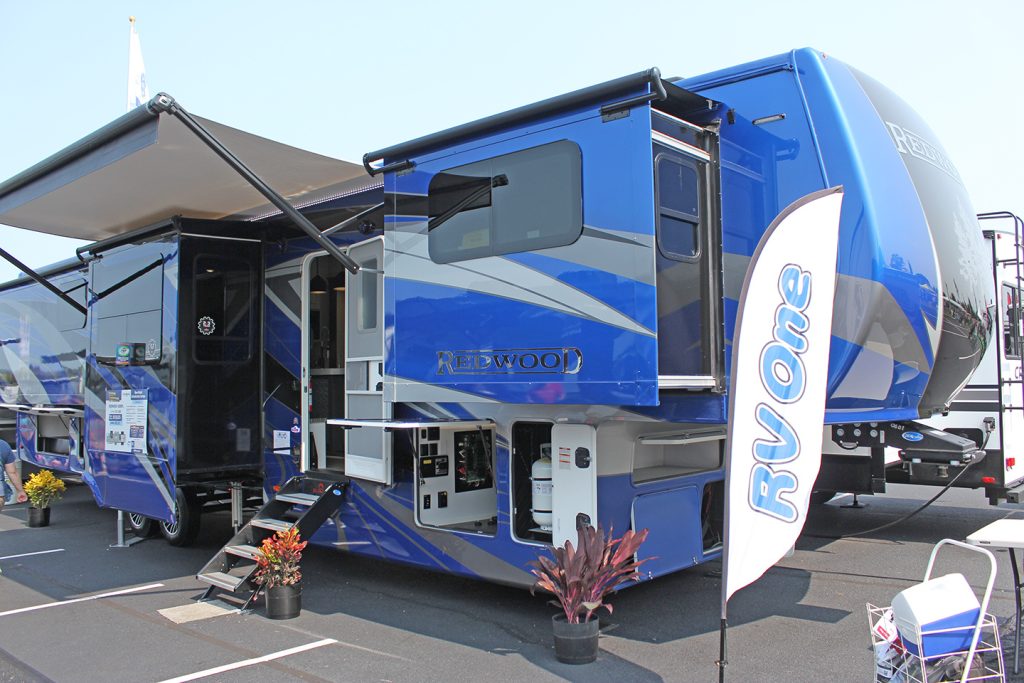
2023 Crossroads Redwood 4200FL
Every year, in mid-September, the largest consumer RV show takes place in Hershey, PA. One of the units that impressed me was a new floor plan from Redwood. I thought it was worth highlighting. This sizeable fifth wheel is a four-season, full-timing unit and has to...
Smart Solutions for Safe RVing as Climate Change Increases Extreme Weather Events
Recent events like the flooding in Europe and wildfires taking place in British Columbia, Ontario, Spain, Greece, and California are the kinds of threats we will soon be facing on an increasingly regular basis. The most natural question to ask in times like this is...
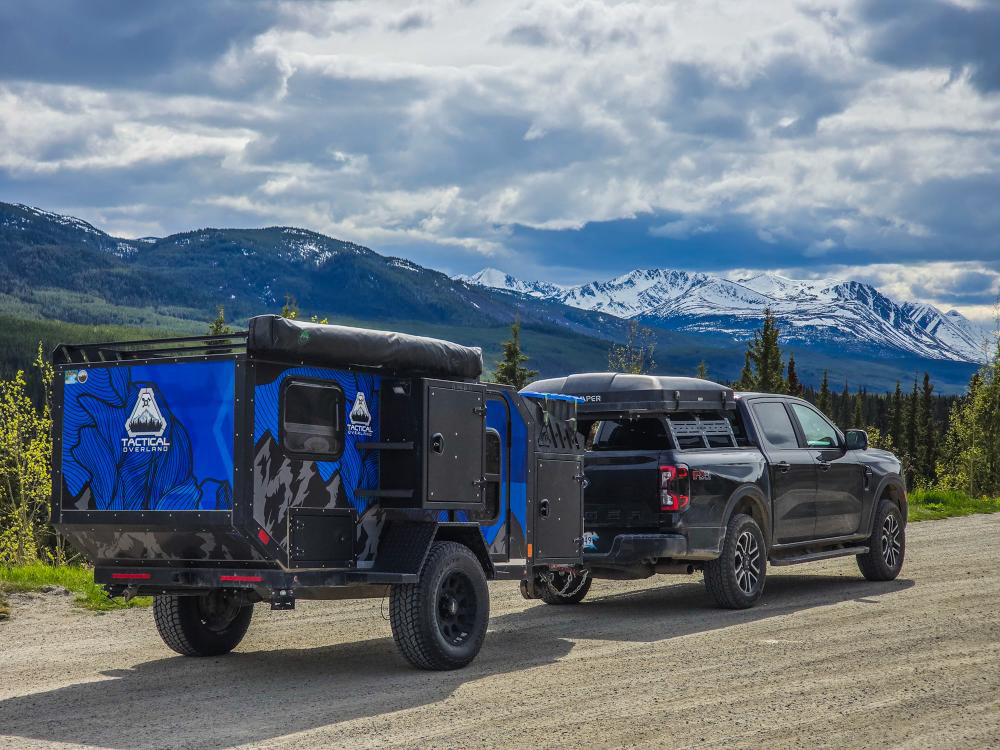
2025 Tactical Overland Trailers and Wilderness Camping
Wilderness camping has a long-standing tradition among outdoor enthusiasts. Many, including myself, began with the simplicity of a pup tent, embracing the raw experience of sleeping on the ground in nature. As time passed, personal preferences changed, and the...