
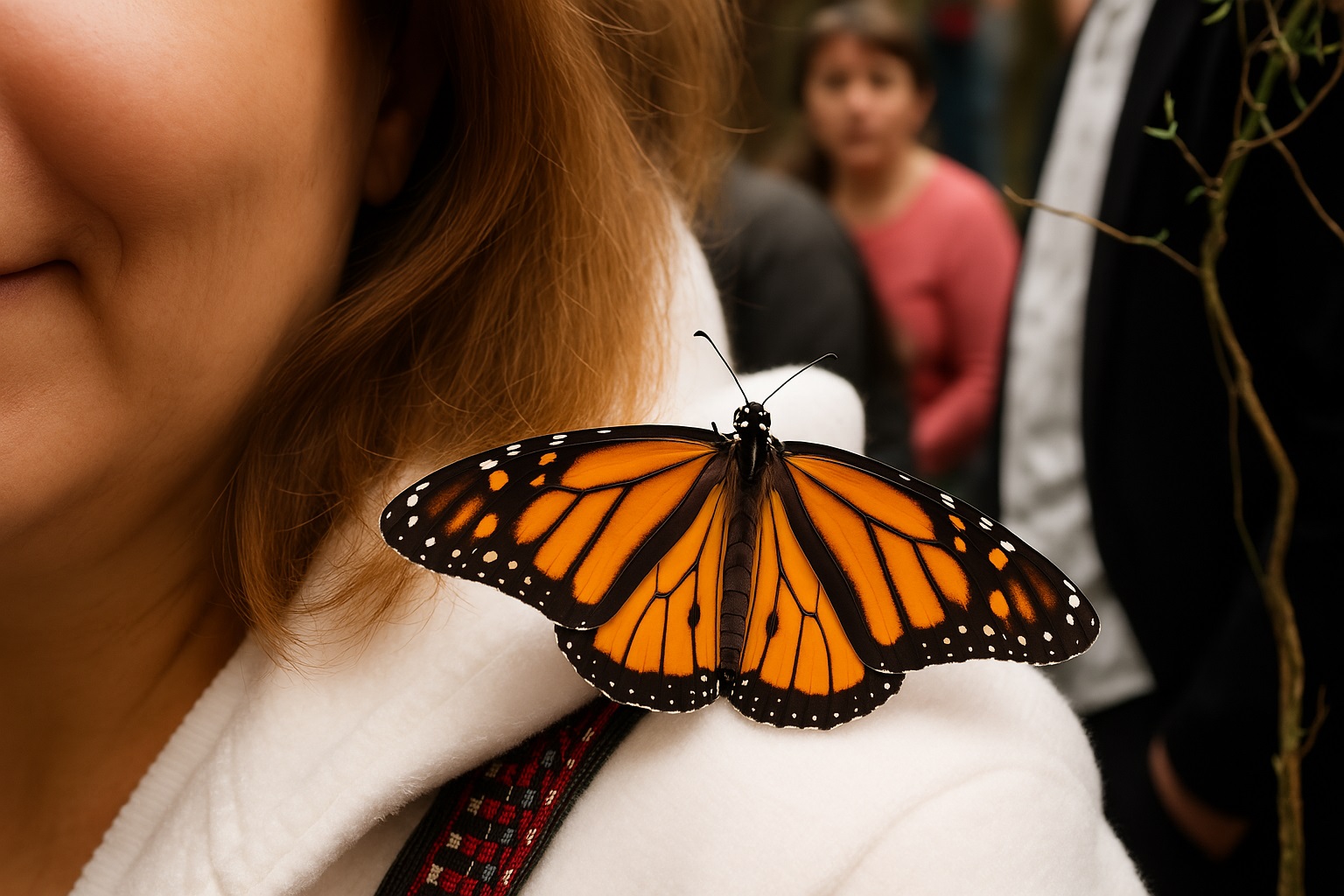
There’s something truly enchanting about spotting a Monarch butterfly while camping or RVing in Ontario from August to September. With delicate wings rich in black and gold, the Monarch is not just an icon of our Canadian summer; it’s a breathtaking marvel of nature.
Floating gracefully through meadows, resting effortlessly while pollinating our countryside, the Monarch inspires awe in anyone lucky enough to witness its flight.
Behind this graceful display lies one of the most awe-inspiring survival stories in the natural world, one that is increasingly under threat.
The Monarch’s Four-Generation Migration Cycle
Each year, four generations of Monarchs complete the epic migration between Mexico and Canada:
1st Generation: Born in Texas and the southern U.S., Monarchs begin their northern journey in March and April. During this time, they lay eggs on milkweed plants, which serve as the primary food source for their larvae. As the larvae grow and metamorphose into butterflies, they continue the migration northward, passing through multiple generations before reaching their summer breeding grounds in the northern U.S. and Canada. This incredible journey spans thousands of miles and is a testament to the resilience and determination of the Monarch butterfly.
2nd Generation: During May and June, Monarch butterflies expand their habitats into the central U.S. This period is crucial as the butterflies lay eggs on milkweed plants, essential for the survival of their larvae. The central U.S. provides an ideal environment with abundant milkweed and nectar sources, supporting the development of the new generation of Monarchs.
3rd Generation: From June to August, Monarch butterflies reach the Appalachian Mountains and southern Canada. These regions offer diverse habitats that support the growth of the new generation. Southern Canada, with its vast landscapes and favorable climate, serves as an important breeding ground.
4th Generation: The ‘Super Generation‘ of Monarch butterflies, emerging in late August to October, is truly remarkable. Unlike their predecessors, these butterflies live up to six months, a significant increase compared to the typical lifespan of just a few weeks. This extended lifespan allows them to undertake an extraordinary migration journey spanning thousands of kilometres. They travel from their breeding grounds in the northern U.S. and Canada to the mountainous regions of central Mexico, where they hibernate during the winter months.
This journey is not only a testament to their resilience and endurance but also plays a vital role in the survival of the species. After hibernating, these butterflies begin the return journey north, laying the groundwork for the next generation of Monarchs. These final-generation Monarchs are nature’s long-distance champions, and they need our help.
Reporting Tagged Monarchs Found on the Ground
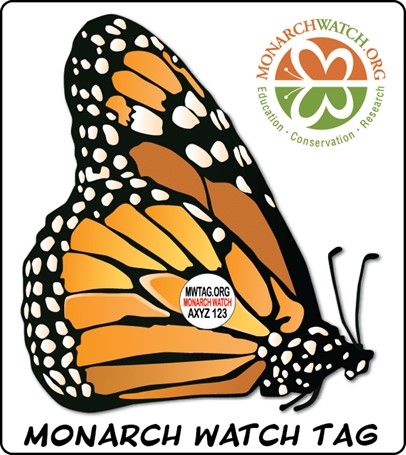
As they travel, some Monarchs become exhausted and fall. If you find a tagged butterfly, living or deceased, you can report its code to Monarch Watch’s Tag Recovery Program. Each recovered tag helps scientists understand the survival rates and threats faced during the migration.
“Imagine looking down to see dozens of Monarchs, their golden wings splayed lifeless at your feet. Is this the future we’re heading toward?”
The Monarchs’ Winter Sanctuaries
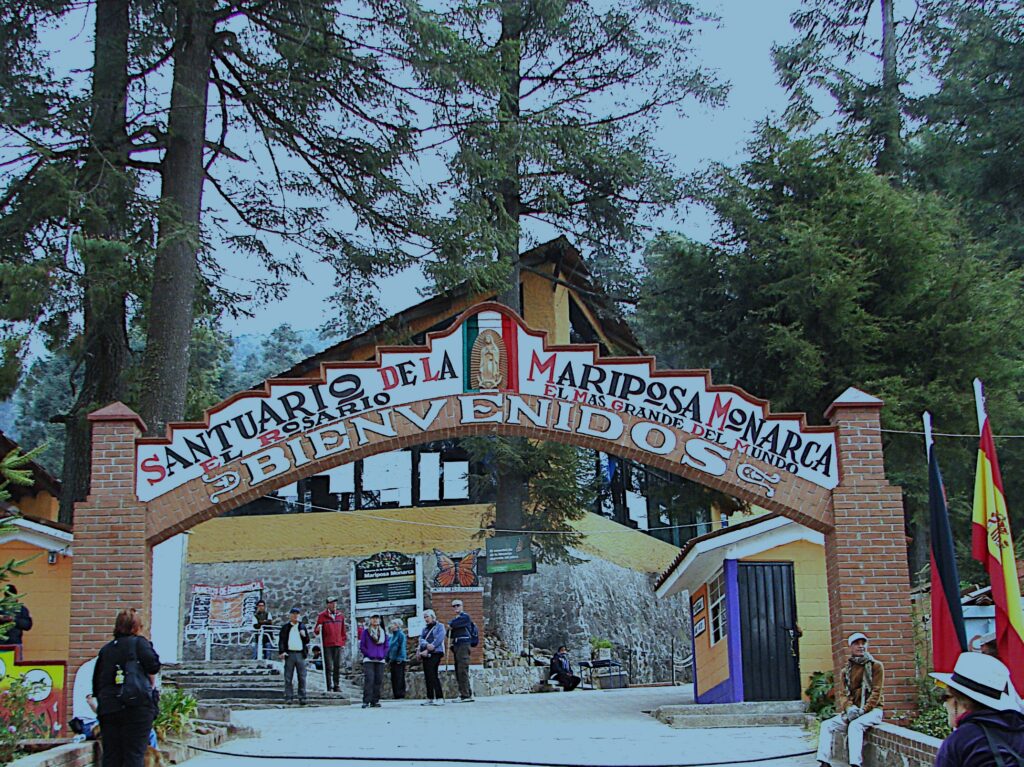
This haunting thought stayed with me as I stood in the forests of El Rosario, Monarch Butterfly Sanctuary, nestled high in the mountains of Michoacán, Mexico. At 3,100 metres (3.1 kilometres) above sea level, the air was still and fragrant with the scent of pine—and then, motion. Clusters of Monarchs hung like trembling leaves from every branch.
“These small creatures, each lighter than a paperclip,” my guide said, “fly over 7,000 kilometres round-trip between Canada and Mexico every year. They face storms, predators, and exhaustion, and yet they come.”
The Real Threat: Habitat Loss in North America
Although their winter forests still offer protection, Monarchs are in decline due to habitat loss right here at home. Urban sprawl, industrial agriculture, and widespread herbicide use have decimated the one plant they depend on:
What is Milkweed?
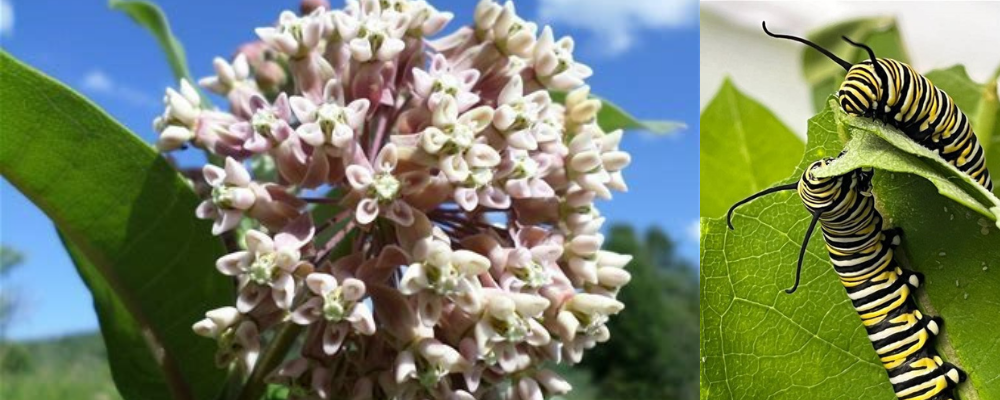
Milkweed isn’t just another wildflower; it’s the lifeline of the Monarch.
-
-
- Its broad leaves and vibrant pink, orange, or white flowers provide the sole food source for Monarch caterpillars.
- Most milkweed species grow 2–5 feet tall and release a sticky white sap (hence the name).
- It spreads naturally and is low maintenance once rooted.
-
Planting milkweed is one of the simplest and most effective ways to help.
Where to Get Milkweed Seeds
Here are trusted Canadian vendors that ship milkweed suited to your region:
| Vendor | Highlights | Link |
| Monarch Butterflies Canada | 50 free seeds with shipping | monarchbutterflies.ca |
| Natural Seed Bank | Diverse species, pollinator-focused | seed-bank.ca |
| Indoor Farmer | 80+ seeds per pack | indoorfarmer.ca |
| Monarch Watch Milkweed Market | Region-specific species | monarchwatch.org |
| Northern Wildflowers | Canadian-grown; easy to plant | northernwildflowers.ca |
Choose a sunny spot, cool seeds in your fridge for 30 days, and plant them with room to grow. Monarchs and other pollinators will thank you.
RVers: Guardians on the Wing
Monarchs aren’t just butterflies; they’re summer’s storytellers. In Ontario, they symbolize the season’s peak, dancing across gardens, farms, and forests. Yet their story could end unless we act now.
Luckily, RVers are uniquely positioned to help.
Join the Monarch Tagging Movement
By tagging Monarchs, you contribute to the global understanding of their migration. Programs like Monarch Watch offer tag kits and simple instructions:
-
-
- Gently apply the coded tag to the hindwing.
- Record the date, location, and butterfly’s condition.
- Submit data online or via the Monarch Watch app.
-
“Tagging is like giving Monarchs their very own passport. We tag them, wish them luck, and hope they don’t get lost on the way to Mexico.”
RVing with a Purpose: Tagging Events in Ontario
Many Ontario Provincial Parks, including Presqu’ile and Darlington, host Monarch tagging workshops. These interactive events offer fun for all ages, hands-on learning, and a chance to get involved in species conservation.
Ask at the park’s visitor center or check the Ontario Parks Discovery Program for dates and details.
Identifying Monarchs in the Wild
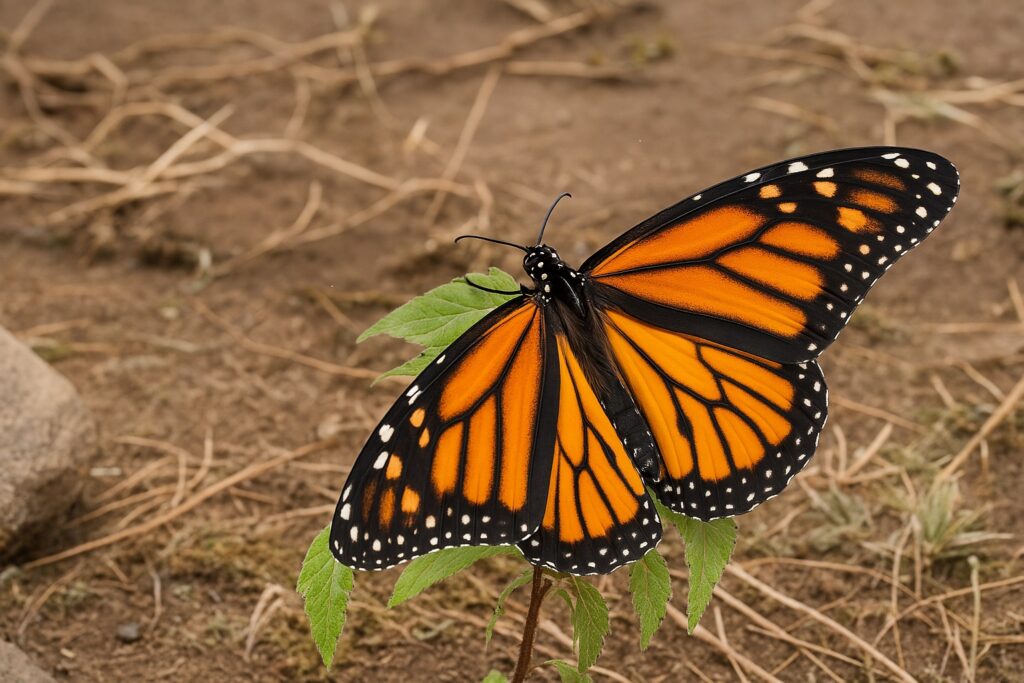
Males have a black dot on each hindwing.
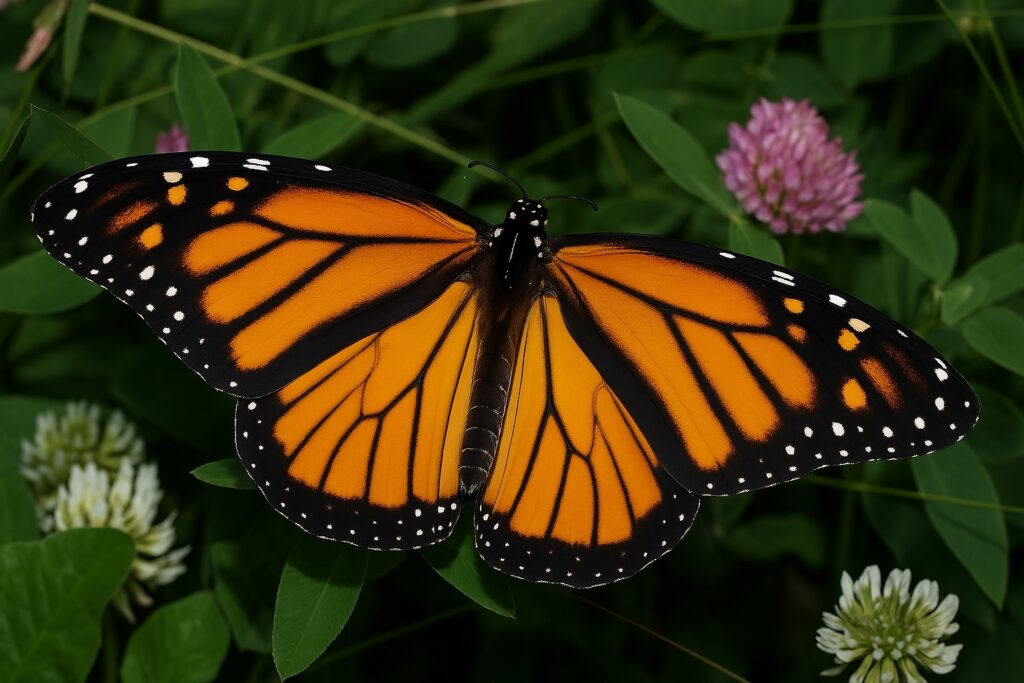
Females lack the dots but show thicker, darker wing veins.
“If Monarchs had dating profiles, the males would boast about their distinct black spots. The females? Strong, dark, and ready to rule the sky.”
Spotting Roosts & Migration Routes
Monarchs migrate through North America year-round:
| Season | Region | Highlights |
| Spring & Fall | Southern U.S | Texas, Louisiana, Oklahoma |
| Summer | Midwest & Great Lakes | Ontario, Michigan, Illinois |
| July-September | Northeastern U.S. & Canada | Peak sightings |
| Winter | Mexico | El Rosario Monarch Biosphere Reserve |
In Ontario, Monarchs form roosts, overnight clusters of thousands, near Lake Ontario and Lake Erie. Great viewing spots include Presqu’ile Provincial Park and Point Pelee National Park.
“Tracking Monarch roosts is like discovering nature’s hidden gold clusters of shimmering wings, waiting for the dawn to bring warmth and flight.” A fun camping trip with kids.
Final Thoughts
At El Rosario, I spoke with Rosa, a local guide. She said:
“Late in March, all these butterflies leave over just three days. It’s magnificent. We hope they return, but their numbers are shrinking. They used to cover the entire mountain.”
Her voice faltered as she looked at the thinning clusters.
Monarchs need us
As RVers, we’re not just travellers, we’re witnesses to one of nature’s last great migrations. With every seed we plant, every butterfly we tag, and every child we teach, we ensure that this legacy continues.
So, plant some milkweed. Download the phone app. Tag the next butterfly you see because this journey is too beautiful to lose.
Related Articles

Enjoyed a Cruise and Returned to a Pandemic
Tying a cruise into an RV trip had always sounded like a good idea. We could take advantage of a last-minute deal and save hundreds of dollars by eliminating the airfare from Toronto. It still seemed to make sense in mid-February when we booked a seven-day Western...
Winter Holiday Safety Tips
Whether you’re planning to stay home, travel by car, or hit the road in your RV, implementing some safety practices beforehand will ensure you have the best winter holiday possible! Here are some safety reminders to help keep things merry and bright this holiday...

Trailside Plumbing: How to Replace an RV Water Heater Yourself
It was the middle of February; we were enjoying a month of luxury camping at Retama Village, in the Rio Grande Valley, Texas. At the end of March, we would head back to Canada. After fourteen years of faithful service, our RV water heater sprung a leak. “What!”...