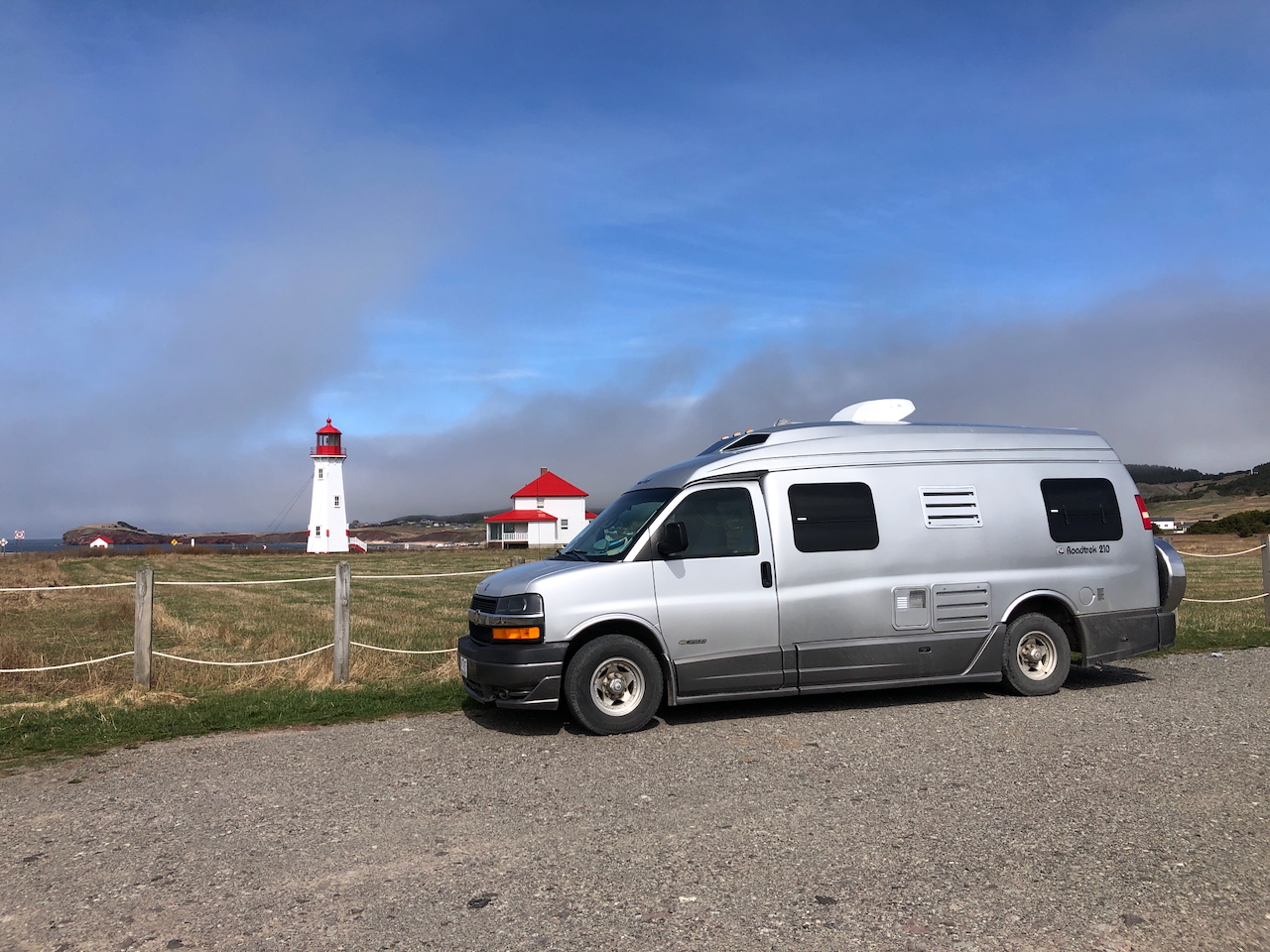
It looks far away on the map, and, admittedly, it’s a bit of a trip to get to Îles de la Madeleine (a.k.a. the Magdalen Islands) in the middle of the Gulf of St. Lawrence. Think of the five-hour ferry from Prince Edward Island as an RV adventure—it’ll take you to a unique and magical part of Canada that most people skip past. Add a few days to your itinerary because even though the fishhook-shaped, 88-kilometre-long archipelago seems small, there’s more than enough to fill your calendar.
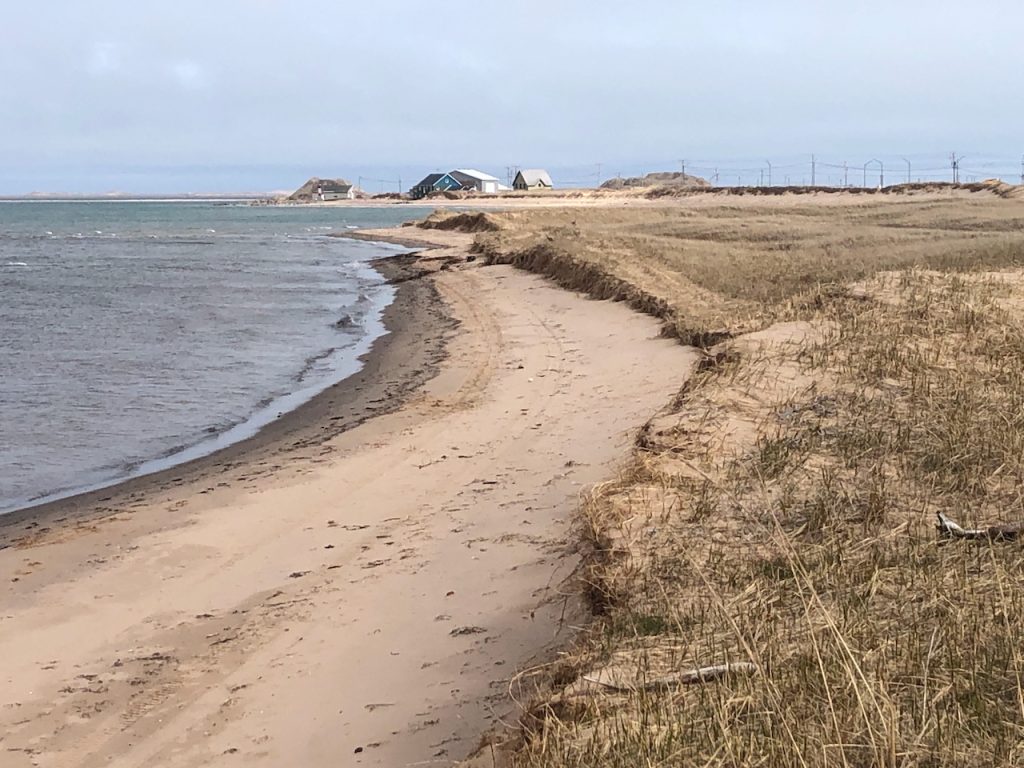
Long stretches of beach and dunes are open to the public – perfect for swimming, beach walks, paddling, and windsurfing.
The six main islands are linked by a ribbon of dune grass and beach strung together by slow-paced roadways and the occasional bridge. The roads are well maintained, the traffic (other than peak summer months) is never a challenge—there’s a smattering of stop lights—and the locals are welcoming with a smile. Although French is the primary language, many people speak English and are happy to help in either language. With more than 300km of beaches and constant winds, the archipelago is perfect for wind and kite surfing, water sports, kayaking, kite flying, relaxing, and enjoying nature.
When To Go
Our vote is for early fall. Summer can be busy with visitors, but things tend to slow down by late August or September. The air and water are still warm, crowds have thinned, and the activities and shops are still humming along.
A Little Background
In the mid-1700s, the Acadian people came to Îles de la Madeleine and supported themselves through the seal and walrus hunt, and commercial fishing. These traditions are still a deep part of the Madelinot way of life—it shows in the pride of fifth- or sixth-generation artisans who still make cheese or smoke fish using time-honoured methods. Many locals trace their roots back many generations to the original 22 Acadian families.
The Tastes of the Archipelago
Perhaps it’s the remote location that slows the pace of island life. Artisans and chefs of Îles de la Madeleine cannot be rushed. Taking time to source and savour the best ingredients are a part of traditions that have endured across generations, even as everything else around them has changed. It is a mindset rooted in a keen sense of community and customs from another era.
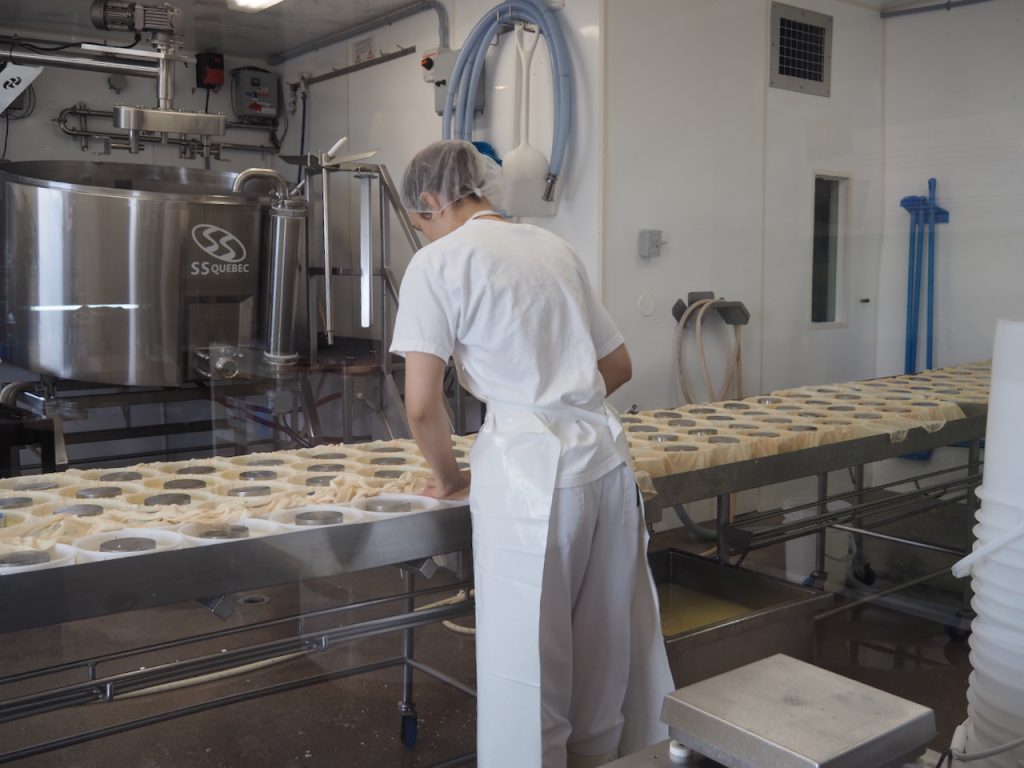
The round wheels of cheese from Fromagerie du Pied-de-Vent are turned and brushed each day as they ripen.
At Fromagerie du Pied-de-Vent, a small cheese factory is attached to a family-operated dairy farm. The herd of Canadienne cows—the oldest breed of dairy cows in North America—munch on fields of wildflowers, timothy, red clover, and bluegrass, giving the cheese its distinctive flavour. The fromagerie’s signature cheese is Pied-de-Vent, round wheels that are turned and brushed every day of the 60-day ripening process. Visitors can watch the process and follow with a tasting.
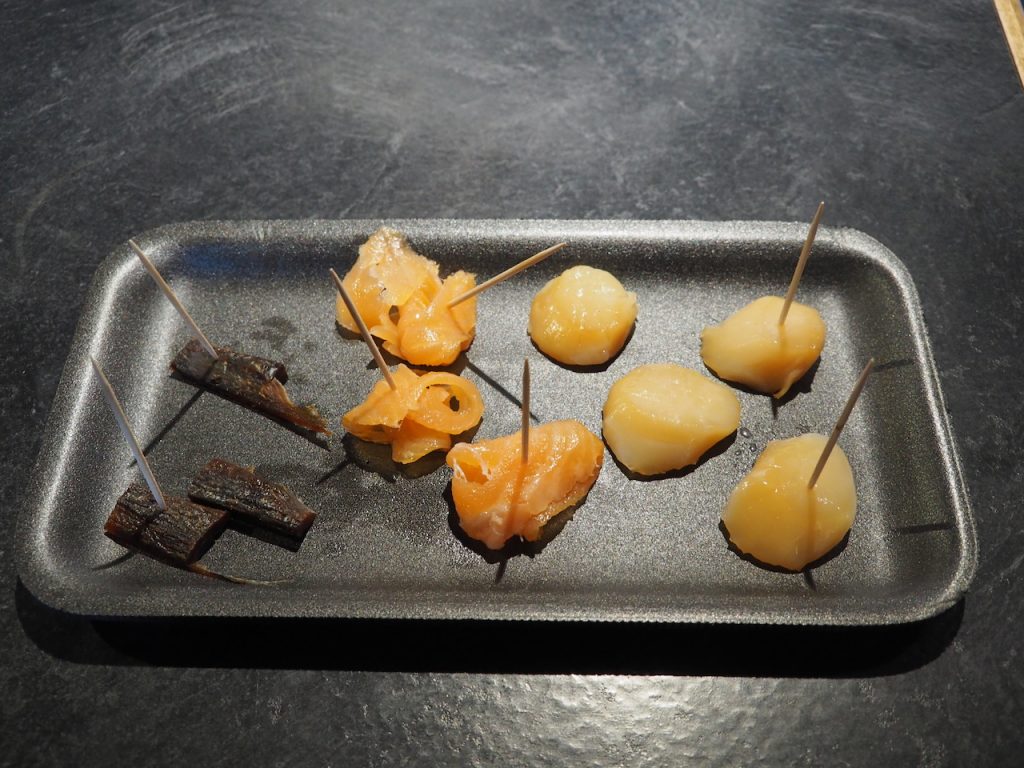
At Le Fumoir d’Antan, visitors can taste samples of smoked herring, mackerel, salmon, and scallops.
The artisan technique of hard-smoking fish—also called kippering—is an island tradition passed down over the last century. At one time, there were 50 smokehouses on the islands, and they were the hubs of community activity. All closed in the overfishing of the 1960s. There’s been a revival at Le Fumoir d’Antan, where the Arseneau family first salt-brine herring, then hang it in a traditional smokehouse over slow fires fuelled by aromatic maple to impart a characteristic flavour. The long smokehouse is packed from floorboards to rafters with fish-draped rods—called “threading the herring”—suspended above a dozen or so smouldering fires.
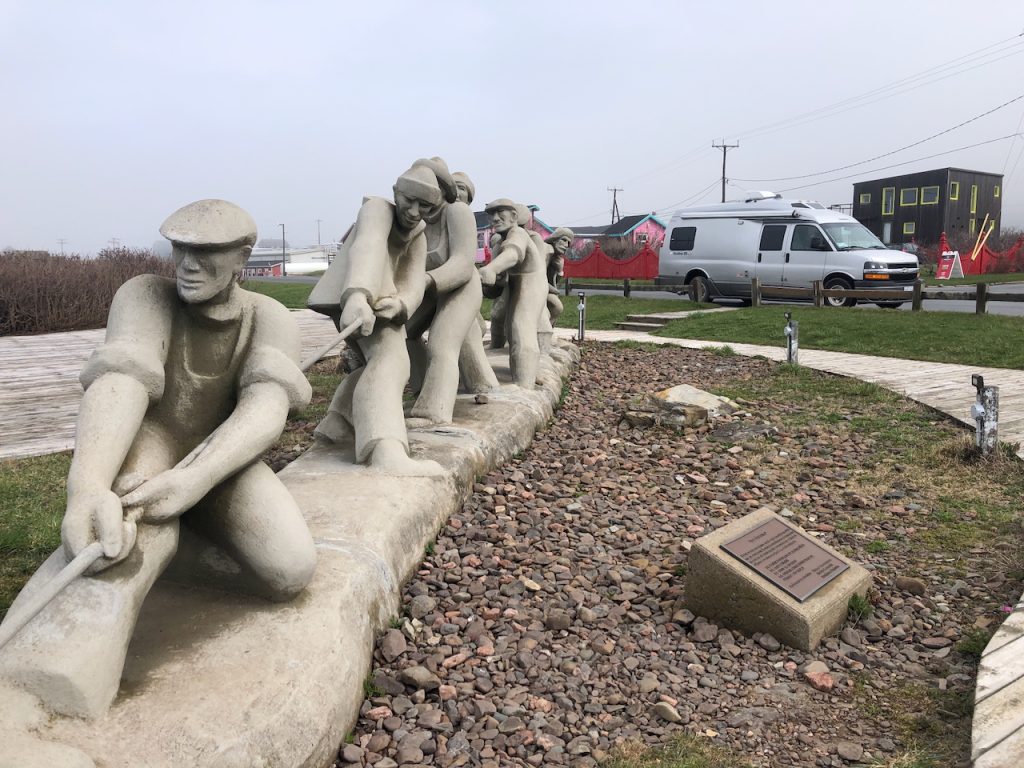
There’s a statue dedicated to the importance of the role of the fishery on Îles de la Madeleine.
The Arseneau smokehouse, now run by the next generation, is the island’s last smokehouse preserving centuries-old traditions. The smoking enhances the flavours—try the samplings of smoked herring, mackerel, salmon, and scallops.
Cap Dauphin Fish Shack at the Grosse-Isle wharf opens in June with lobster rolls, lobster poutine, scallops, and what locals say are the island’s best fish and chips.
À l’Abri de la Tempête is the oldest microbrewery east of Quebec City, brewing almost a dozen classics, including a Belgian-style made with cranberries harvested on the islands.
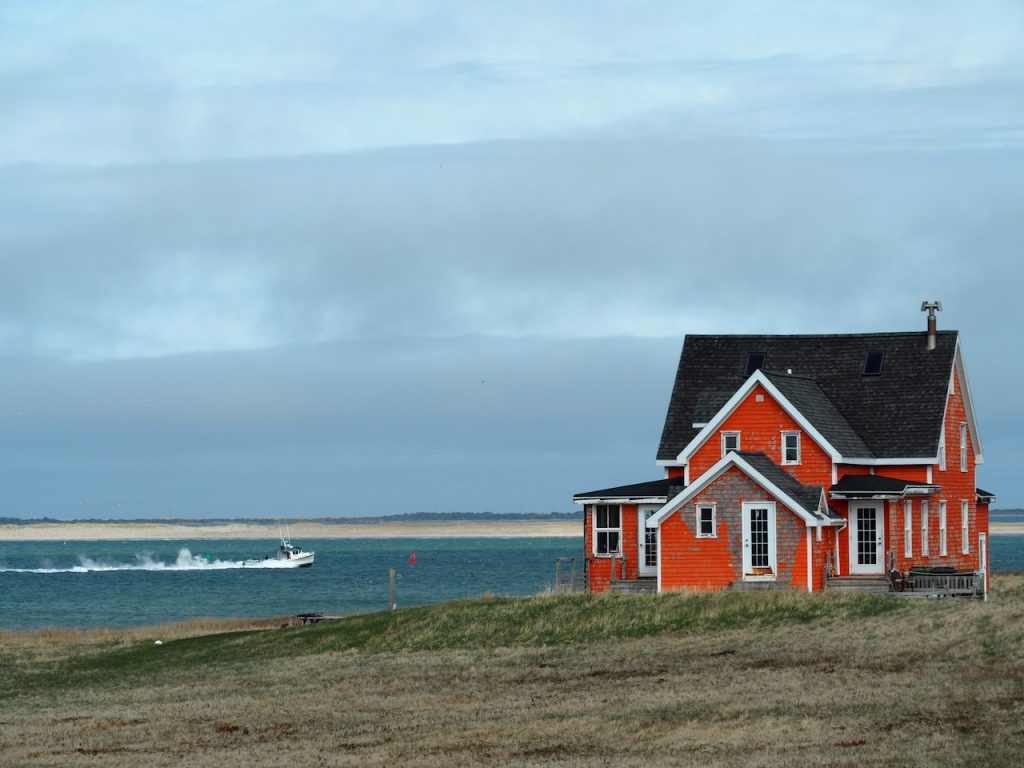
Îles de la Madeleine are known for the colourful wooden homes belonging to the islanders who fish the waters of the Gulf of St. Lawrence. Some locals claim that the tradition of brightly painting the homes helped as a navigational tool for the fishers out on the water.
Seafaring Heritage
The seafaring heritage is a constant across the entire archipelago. Îles de la Madeleine sits at the heart of the spring lobster catch. In 2025, Îles de la Madeleine celebrated 150 years of lobster fishing. Tidy colourful clapboard cottages line the roadways, with wooden lobster traps stacked on the front lawn. The docks at Grande Entrée are an excellent spot to watch the fishing vessels come and go.
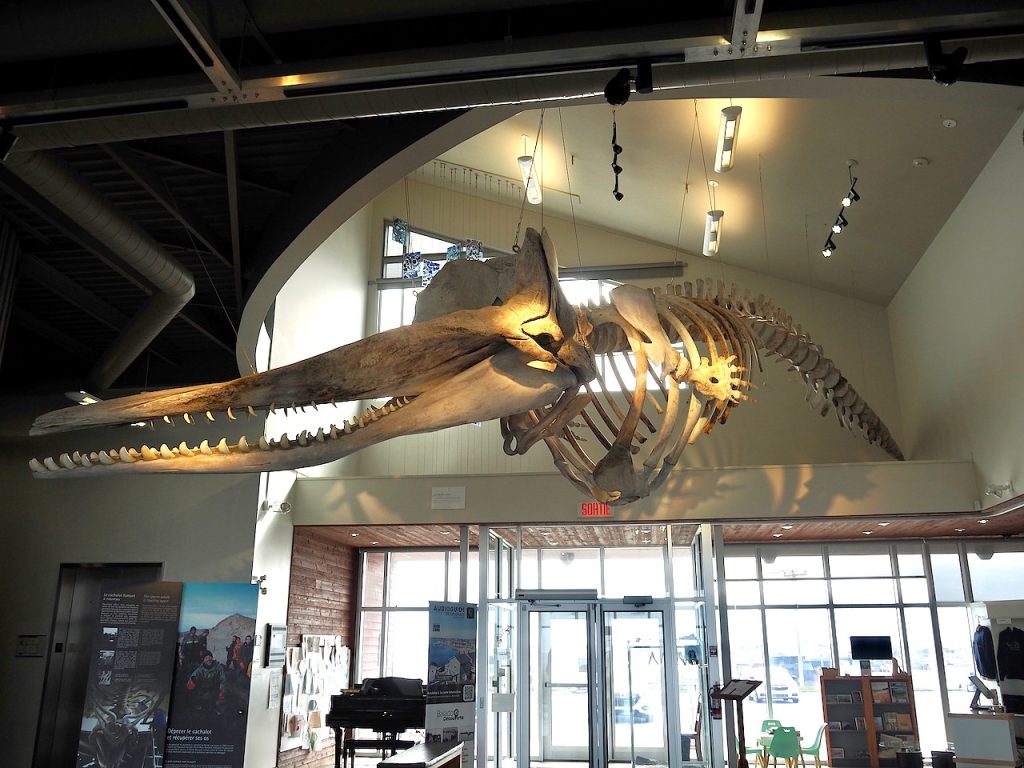
At the Musée de la Mer, an enormous skeleton of a sperm whale hangs in the front lobby.
At the southern tip of Havre-Aubert Island, Musée de la Mer is a modern museum dedicated to protecting the history and marine heritage of the islands. You’ll know you’ve found the place when you enter the airy lobby with an enormous navigational map set into the floor and the 13-metre skeleton of a sperm whale dangling from the ceiling above. There’s a strong sense of tradition and festivity, with displays showcasing the history of each island, its inhabitants, and the fisheries.
Driving Routes
Despite its small size, the archipelago is lined with stunning driving routes. The circular road around Bassin on Havre Aubert is magical, featuring colourful seaside homes, lighthouses, and the islands’ trademark red sandstone cliffs, with great spots for birding.
The whole drive from one end to the other (Havre Aubert to Grand-Entrée) is along a pretty, dune-lined route with the ocean on either side. There are many pull-off spots to get out and enjoy beach walks.
Getting Active
With dedicated, flat paths—including along major roadways—the islands are excellent for bicycling.
At Grosse-Île, Pointe-de-l’Est National Wildlife Area has a network of sandy trails lined with bushes and conifers stunted by the salt air and persistent wind. More than 150 bird species are found in the parkland’s dunes and ponds, including the at-risk piping plover and horned grebe.
Îles de la Madeleine is known for outstanding seal and bird spotting, sea kayaking, and a range of wind sports from kite flying to windsurfing. The wind this far into the gulf is a truism of the natural world and on these islands, it’s a force of nature. At the land link between Île du Havre Aux Maisons and Île du Cap Aux Meules, CindyHook Sports Aventures is a local favourite for baked goods, strong coffee, birding tips, kayak and paddleboard rentals, and guided kayak tours.
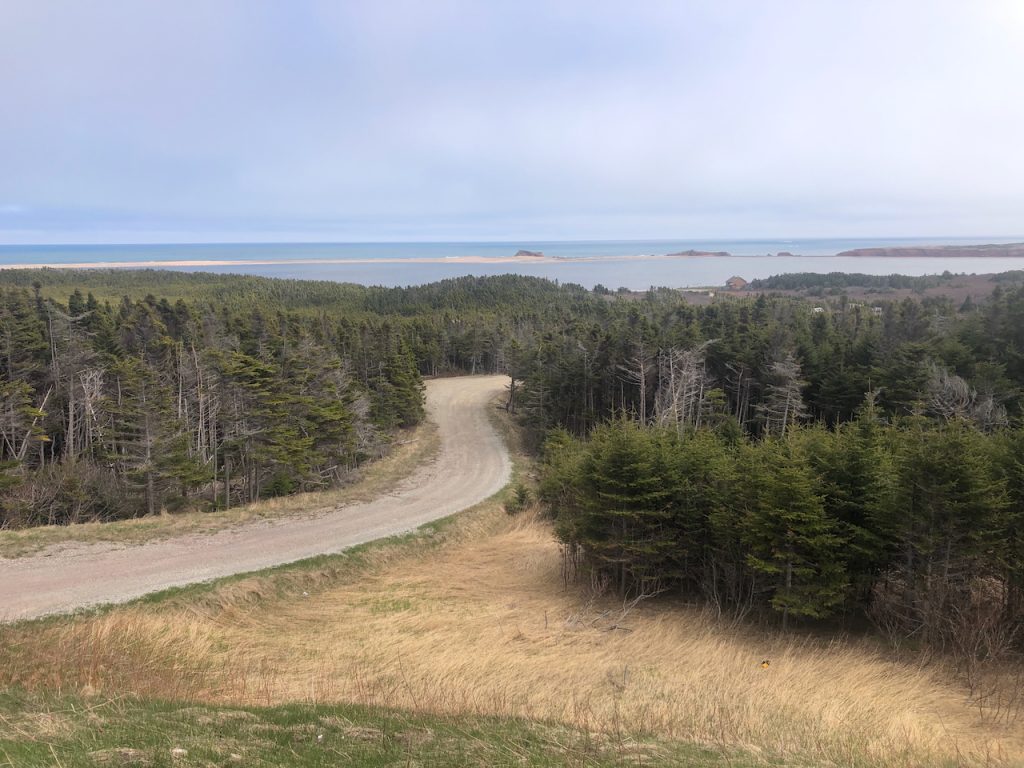
The campground at La Salicorne has nice hiking trails and beautiful vistas over the waters of the Gulf of St. Lawrence.
Camping
Boondocking in public spaces isn’t allowed on Îles de la Madeleine. But we discovered approved spots generously maintained by the artisan shop Atelier Côtier, close to the Musée de la Mer at the south end of the archipelago (maximum 24-ft length RV, no generators, no fires). The beautiful gallery/shop sells clothing, sculptures, artwork, and housewares that are made on-island and reflect the importance of sand. There’s also a fun sand play area, a microscope to look at sand crystals, and they sponsor the annual sandcastle contest (second weekend of August).
At the far north end on Grand-Entrée, the campground at La Salicorne offers electric hookups, wonderful ocean views, hiking trails, a dump station, laundry facilities, and showers.
There is a free dump station behind the high school on Île du Cap Aux Meules.
SIDEBAR
www.tourismeilesdelamadeleine.com
www.quebecmaritime.ca/en
Despite its remote location, we had excellent cell and internet service (Bell Canada).
Related Articles
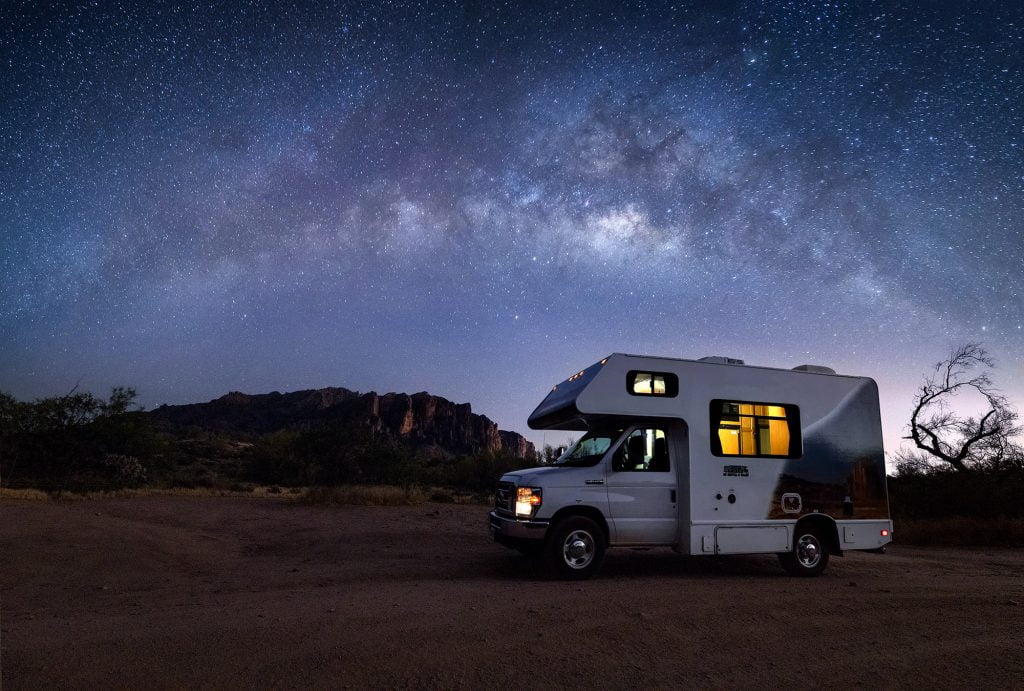
The Timeless Landscape of the Four Corners
The high desert of the American Southwest (which includes the Four Corners) is a very popular winter destination for Canadian RVing snowbirds. But for the 2020/21 fall and winter, with the boarders closed and the pandemic situation still unfolding, many travellers are...
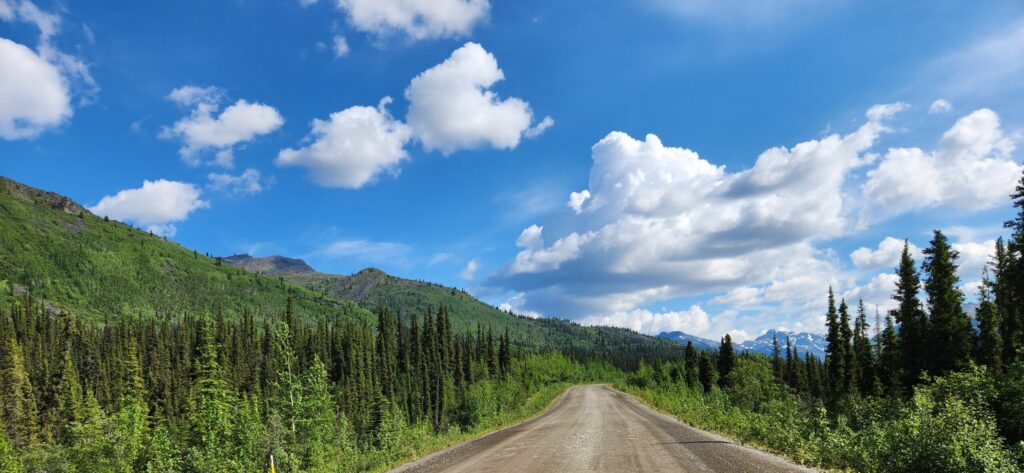
Highways: A behind the scenes snapshot of this necessity for RV travel
It’s Day one of your much-anticipated road trip. All that planning and coordination is now behind you. You’ve looked forward to this trip for months. You’ve been on the road for only 30 minutes, and straight ahead of you, traffic control guide come to a complete stop...
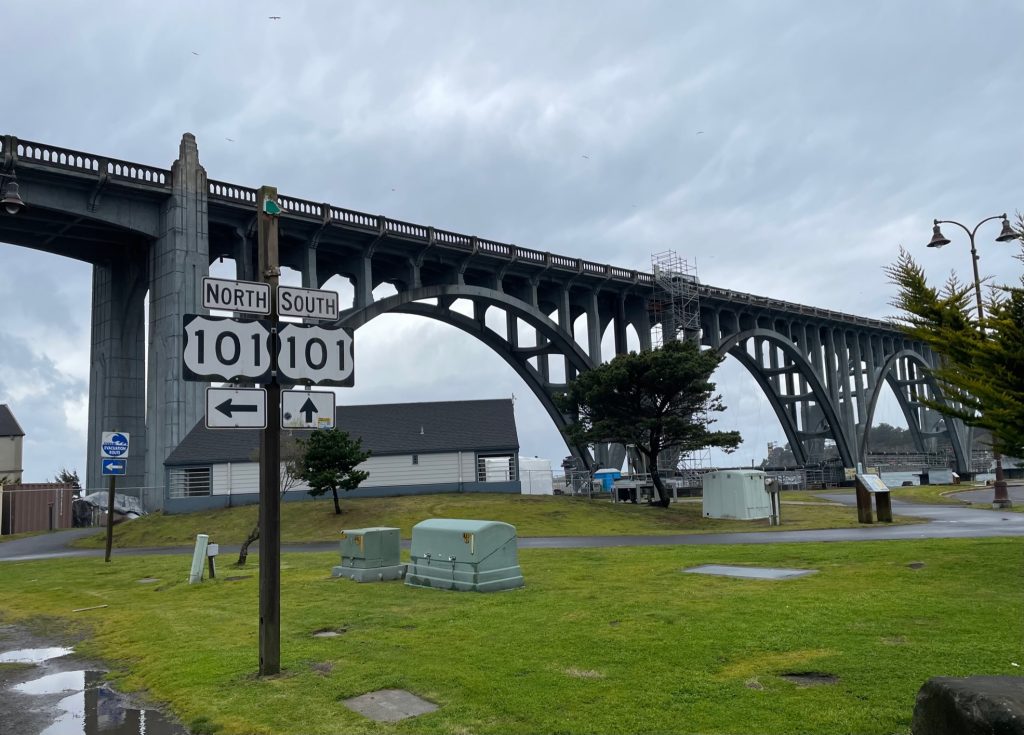
Highway 101: an RVer’s Playground
As Canadian full-time RVers, we typically spend our winters snowbirding in Arizona to escape the cool and dreary weather in British Columbia. When it was time to return home this year, we headed west toward Los Angeles to Hwy 101, which extends through California,...