Happy New Year! To me, despite the snow and cold outside my sticks-and-bricks window, the arrival of the RV shows across Canada in February always heralds the beginning of a new year of RVing.
And as with every new year, I ask myself what resolution I’m going to make. For the last few years, the answer has been the same: To continue taking intentional and practical steps to be more sustainable when opening my RV for the season and choosing this summer’s travel adventures. And I will continue to do so, as evidenced by the suggestions I’ll be sharing later in this article.
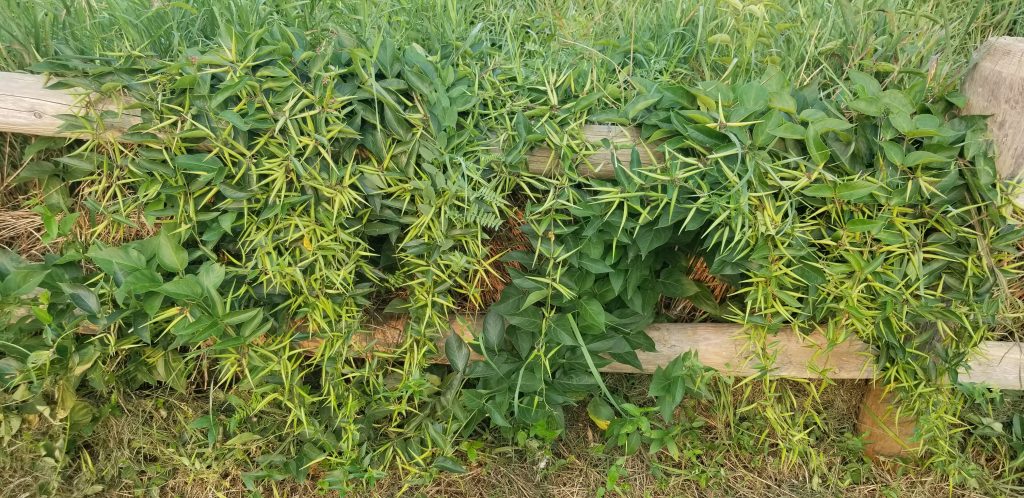
But something has changed for me this year; I need to do more than “the usual”. Climate change is no longer hypothetical for me. It’s feeling more personal, more urgent. During the last few RV road trips, I’ve seen melting permafrost in the Arctic, disappearing glaciers in Alberta, and the effects of devastating storms in Cape Breton. Over the next 25 years, at current rates of erosion, sea-level rise, and thawing permafrost, the entire townsite of Tuktoyaktuk will no longer be viable. Here in southwestern Ontario, we’ve had record-breaking heat waves in the summer and significant invasions of non-native plants such as dog-strangling vine and phragmites, which severely threaten the populations of monarch butterflies and our ducks and shorebirds, respectively.
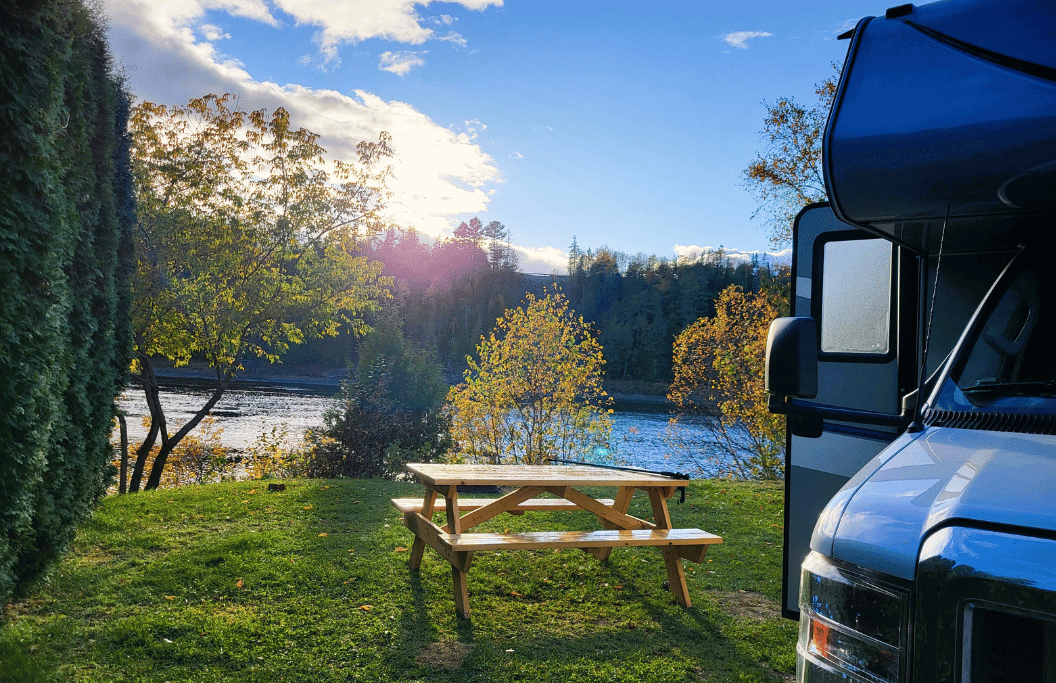
I choose to be an RVer to explore, marvel at, and enjoy the splendour of our natural world. Choosing to be an RVer also comes with the knowledge that my fossil-fueled rig could be harming the very world I’m exploring. I therefore have a responsibility to find ways to mitigate the impacts of my RVing.
I can’t, of course, single-handedly fix our climate change challenges. What I can – and will do – is identify and then act upon what is within my control. So, here’s my resolution for the new RV year: To continue with my daily sustainable habits AND increase my understanding of what other actions I can take as a member of the RV community to live with care and purpose in this endangered world.
What do I mean when I talk about sustainability? To me, sustainable living means reducing my social, environmental, and economic impacts through what I choose to buy, how I source my purchases, and how I travel, work, or spend my free time.
With this definition of sustainability in mind, here are some steps I’m taking as I open for the season and plan this year’s travel adventures.
Opening the season
The first step in opening for the season is to ensure we have well-maintained, safely operating vehicles. To help us do so, here’s a useful checklist from Orbit Insurance Services. For those of us pulling trailers, here’s a refresher for spring truck maintenance.
Keeping our tires properly inflated is critical to our environment, safety, and health. According to Transport Canada, improper tire maintenance leads to pollution and wasted fuel (for every additional litre of fuel our rig uses, 2.4 kg of carbon dioxide is released into the air). Poor inflation shortens the life of our tires, resulting in more tires in landfills, and more energy used to produce new ones or to recycle them.
Inside the rig, there are plenty of things to do and to be inspired to do before moving in! Here are some simple steps I’m taking to be more conscious of our environment this spring:
-
-
- Replace paper towels and disposable cleaning cloths with cleaning rags made from old towels or T-shirts.
- Replace those blue window and mirror cleaners with a vinegar-and-water mixture.
- Use baking soda to clean bathrooms and kitchens.
- Use bar soap instead of liquid soap and eco-friendly laundry powder or strips instead of liquid detergent.
- Use Borax to clean floors, boost laundry, and tackle tough grease.
- Use oxygenated bleach instead of chlorine bleach.
- Set up a folding drying rack to air-dry items instead of always using a clothes dryer.
- Use environmentally friendly black tank treatments (such as Canadian-made Aqua-Tek Super Enzo) that are formaldehyde-free, septic-safe, biodegradable, and effective at breaking down toilet paper.
- Use an environmentally friendly cleaner that can be used both inside and outside of the rig (such as Canadian-made Zoom Cleaner).
- Check out local non-profit charitable thrift stores (such as The Salvation Army) first if any kitchen or housewares are needed for the season.
- Stock the bathroom with environmentally conscious personal products made in Canada and perfect for on-the-road travel, including soaps, deodorants, sunscreens, and facial serums packaged in recyclable cardboard; toothpastes packaged in recyclable plastic; and shampoos with refillable pouches.
-
If you park your rig at a seasonal site, consider replacing box store hanging planters with native plants, setting up a small garden to support wildlife (and the monarch butterfly), and signing up for the Small Acts of Conservation challenge. How about indulging in a little plalking too?
Birds also need our protection. They’re vital to our ecosystems, pollinate plants, disperse seeds, and control insect populations. Bird collisions with windows happen most frequently during spring and fall, when migrating birds pass through unfamiliar urban areas. According to an Environment Canada study, collisions with residential and commercial buildings kill an estimated 16-42 million birds each year in Canada. To help minimize these collisions, consider applying window collision tape to your rig’s windows.
In addition to those killed colliding with windows, another 60 million birds are killed in Canada each year by domestic and feral cats. Please do not let your cats roam loose outside of your rig!
Planning for this season’s adventures
Once the rig’s been set up for the season, planning for this season’s travels can begin in earnest. I’ll have more sustainability tips to share in June to reduce our environmental impact while on the road. In the meantime, check out the Discovery programs offered at more than 70 Ontario provincial parks. When making reservations at other campgrounds, inquire about their conservation and eco-tourism practices first before booking.
In the lunar calendar, 2026 is the year of the Fire Horse, a year that promises to “favour action over hesitation, momentum over stillness, and optimism over caution”. All these bode well for my new RV year’s resolution to identify additional actions to support our endangered world.
PS. Based on the positive responses to the Heartland Forest presentation at last year’s Explorer RV Club rally, I believe there’s a commitment to sustainability in our RV community. Please share your thoughts about what we can do! To quote my childhood hero, Margaret Mead: “Never doubt that a small group of thoughtful, committed citizens can change the world. Indeed, it’s the only thing that ever has.”
Related Articles

A Look at The All-New Coachman Clipper Express
I’ve been reviewing RV’s for 25 years so you’d think that I could confidently claim to have “seen it all” by now. Well, turns out, I can’t. By contrast, early on in my career, I remember thinking how little trailers changed from year to year – but, again, that...
What’s New in Motorized RVs
In the fleet of motorized RVs, new designs are following a trend towards the wants of younger buyers. Class B motorhomes, in particular, are increasing in popularity – hence why more versions are available. The younger demographic spends more time on the road and...

6 Must-Read Books For RVers
If you're an adventurer who loves the outdoors, RV life is probably or should be on your must-do list. Taking your RV out to explore different destinations, nature, wildlife, and people is one of the best ways to allow your adventurous spirit to truly enjoy your...