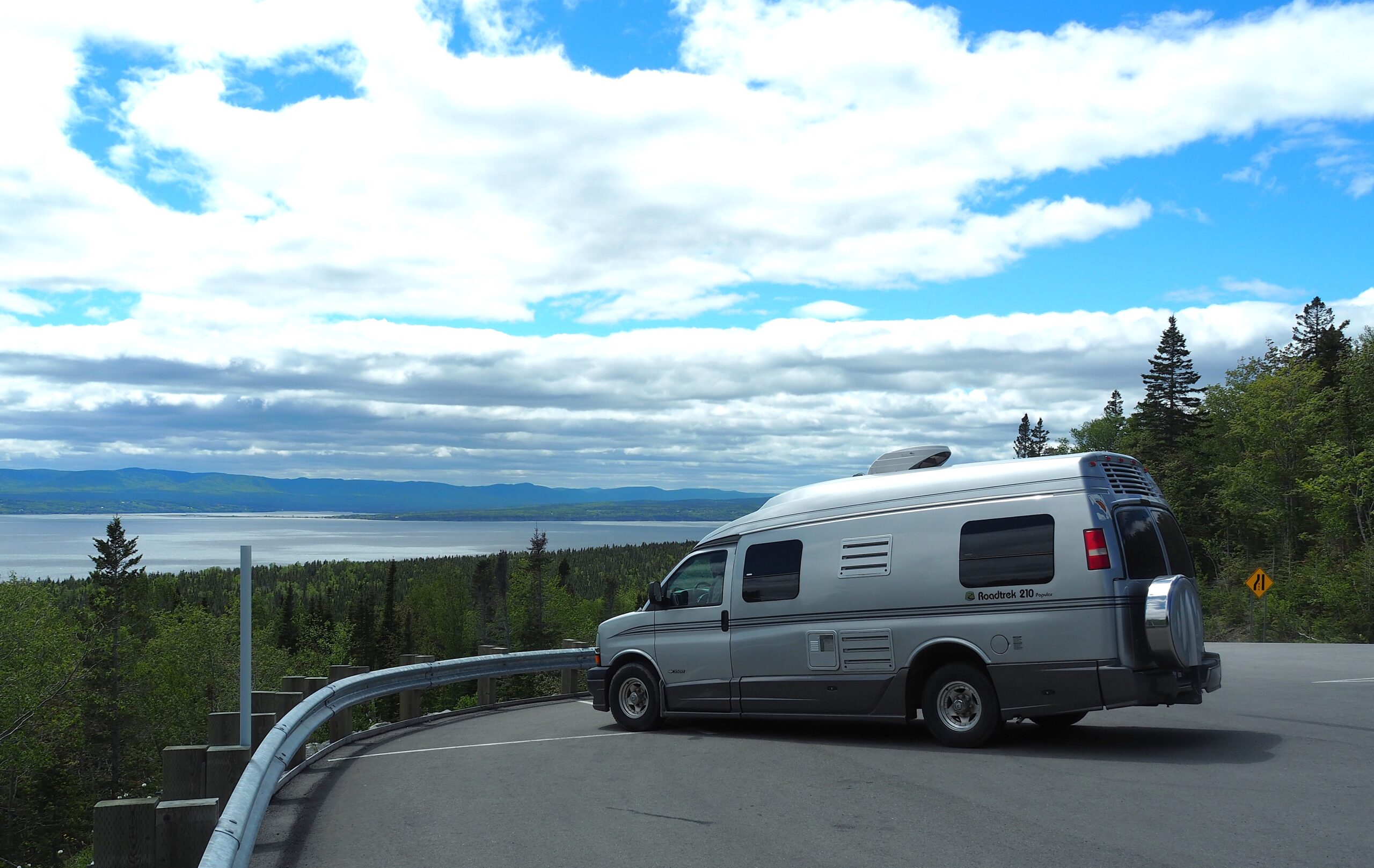
Whenever we buckle ourselves into our camper van and head out on the highway, we’re primed for both relaxation and adventure. One certainty on both counts is that RV travel gives us a front row seat to some of Canada’s jaw-dropping natural wonders. And some of the best ways to become immersed in the best the country has to offer is to luxuriate at Parks Canada sites. www.parks.canada.ca
The goal of Canada’s national parks system is “to protect and present outstanding examples of Canada’s 39 natural regions.” This includes National Parks (with opportunities for camping), National Historic Sites, National Marine Conservation Areas, and National Urban Parks. The annual Discovery Pass provides admission 80 sites across the system and would make a great holiday gift: https://reservation.pc.gc.ca/store/product/-2147479946?navStoreLevel=1 Hopefully, in 2027 the parks will again be part of the federal government’s Canada Strong Pass with free admission to sites during specific times of year (campsite fees extra).
In the spirit of “it’s never too early to plan for the year ahead,” here are a few Parks Canada sites to highlight on your map.
EASTERN CANADA
Gros Morne National Park, Newfoundland
https://parks.canada.ca/pn-np/nl/grosmorne
Gros Morne is Canada’s largest eastern national park and a UNESCO World Heritage Site, known for the Long Range Mountains, landlocked lakes, and dramatic glacial valleys, intertwined with the human history of coastal communities.
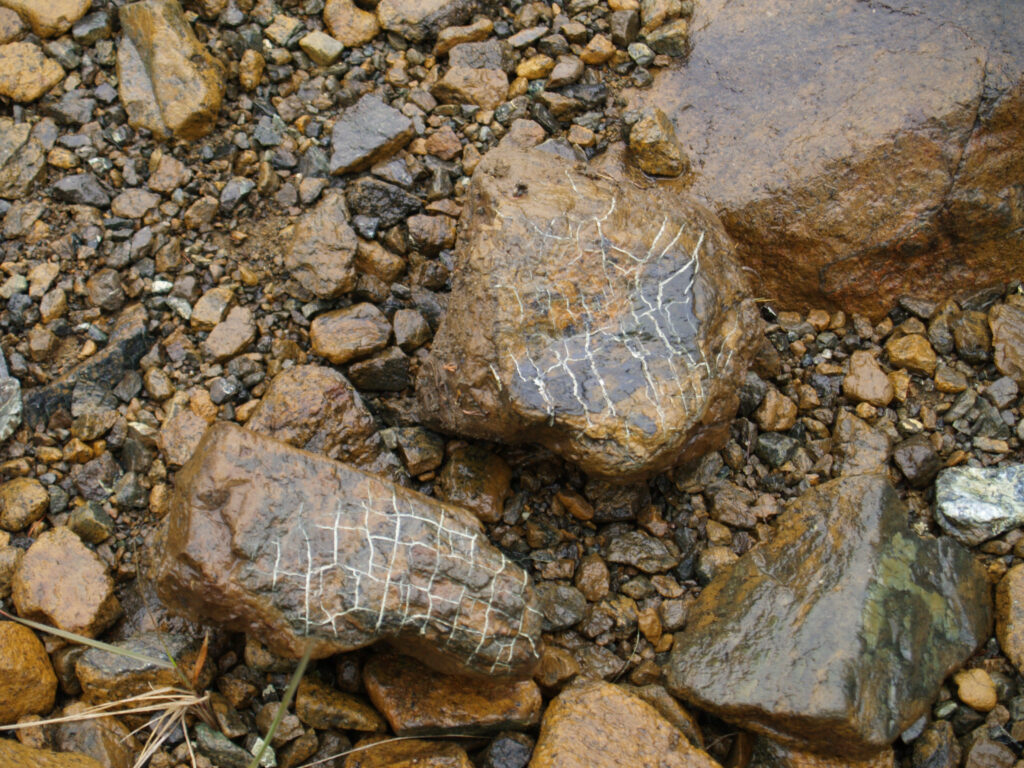
Hiking at the park is like a mini laboratory of geology, crossing some of the planet’s oldest exposed rock. The distinct orange peridotite rock of the park’s Tablelands is a slice of ancient ocean floor, thrust to the surface, and one of the few spots where you can walk a hiking trail on the mantle of the Earth. To geologists, it tells the story of continental collision and the study of plate tectonics. There are five campgrounds; not all are suitable for RVs (some serviced sites).
To explore in the area:
- Take a boat cruise past the craggy walls of Western Brook Pond—a landlocked fjord carved by glaciers. The metres-thick peat bogs bordering it tell of changing sea levels and powerful earth movements.
- L’Anse aux Meadows National Historic Site along the island’s windswept northern tip is a footprint in time. The remains of turf-walled houses and strange earthen mounds mark the earliest known evidence of European settlement in the New World..
Kouchibouguac National Park, New Brunswick
https://parks.canada.ca/pn-np/nb/kouchibouguac
Celebrated for its protection of white cedars, Kouchibouguac is also a Dark-Sky Preserve with a mix of coastline along the Gulf of St. Lawrence, paddling routes, boardwalks, hiking trails, and wildlife like black bear and moose (keep moose warnings in mind when driving after dusk).
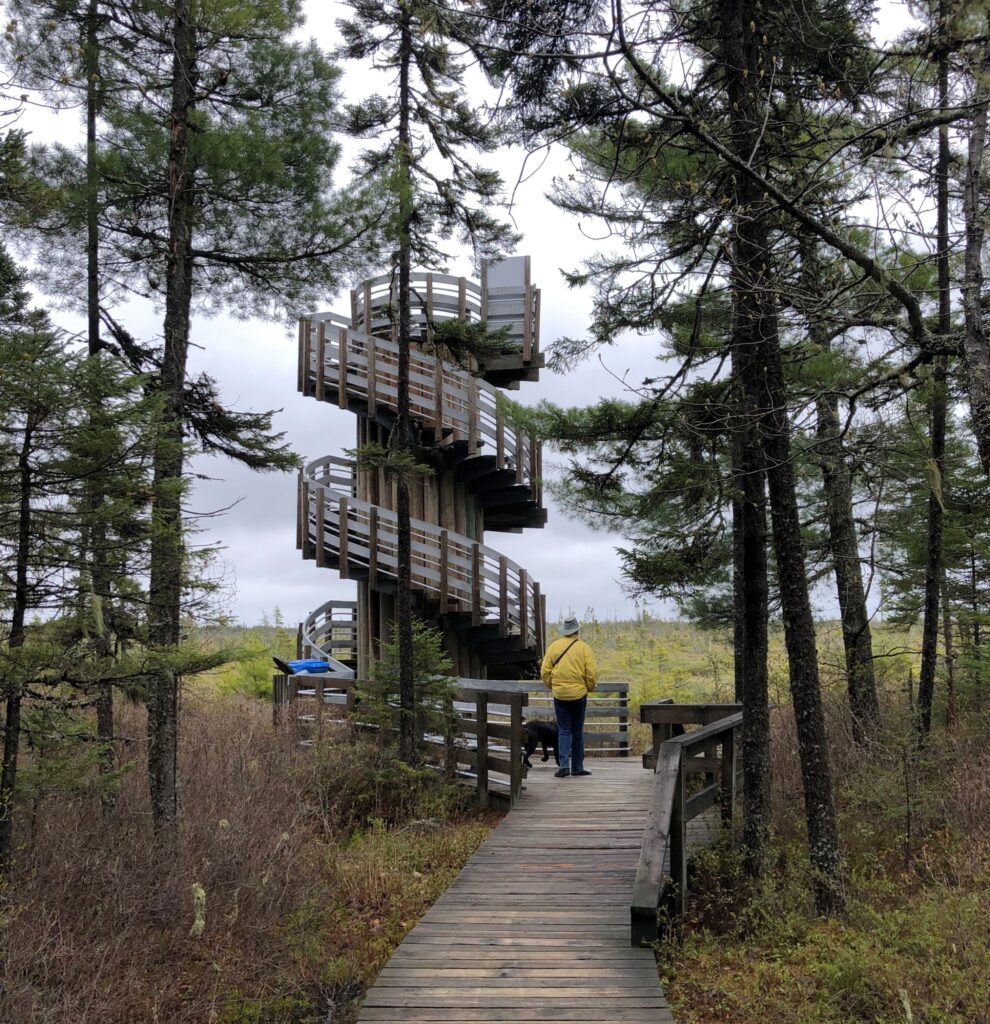
A highlight is the Bog Walk trail, beginning with a spiral overlook facing an expanse of carnivorous plants and mosses in a 5,000-year-old bog where the peat is a staggering seven-metres thick. The campground loops include well-spaced sites, many with services and pull-through access. The new comfort stations are top notch.
Nearby spots to explore:
- The park is along the Acadian Coastal Drive. In Miramichi (an hour north), Boishébert National Historic Site marks an area of Acadian refuge from the 1755 deportation and an important site for the shipbuilding industry of the early 19th century.
Kejimkujik National Park and National Historic Site, Nova Scotia
https://parks.canada.ca/pn-np/ns/kejimkujik
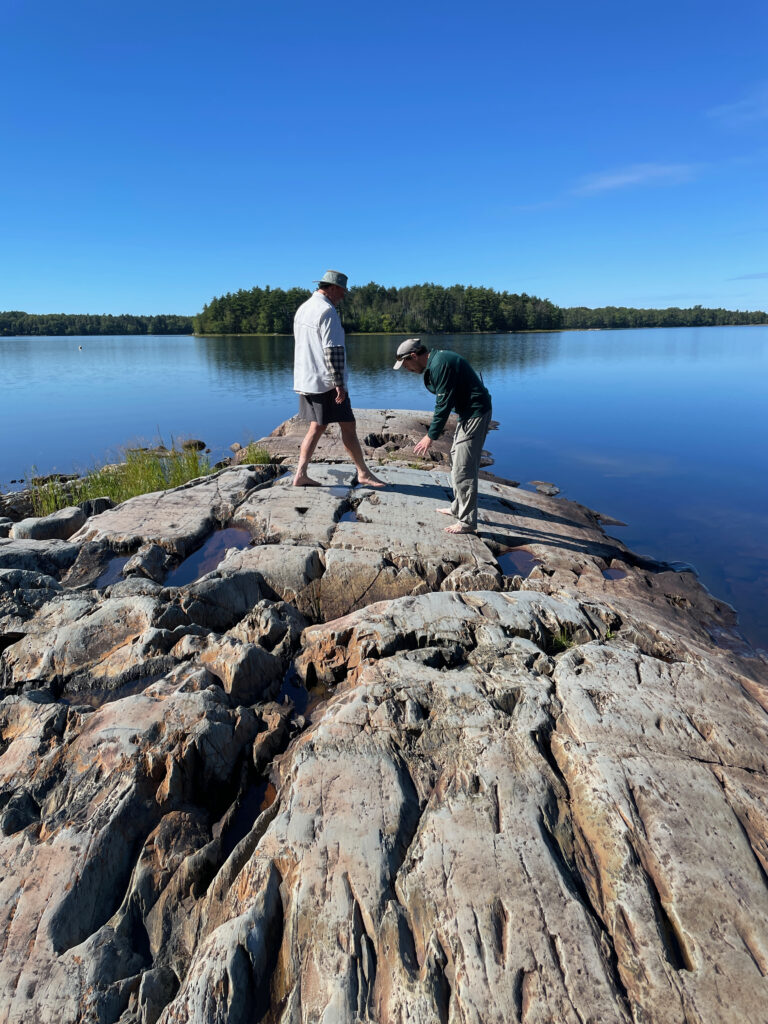
Kejimkujik National Park in southwest Nova Scotia—or Keji to shorten the tongue-twister name—is an outdoors paradise and the only national park to also be a national historic site, as well as a Dark-Sky Preserve (dark-sky kits can be rented at the visitor centre).
There are hiking and biking trails as well as hundreds of kilometres of paddling routes (canoes and bikes available for rent from Whynot Adventure). Download an app to geocache through the park. A slate outcrop along the shoreline of Fairy Lake protects Mi’kmaw petroglyphs and can only be toured with a Parks Canada interpreter. According to Mi’kmaw lore, the petroglyphs were created by “little people” who live in the woods. Jeremy’s Bay Campground has well-spaced wooded sites suitable for RVs, many with hookups.
Nearby spots to explore:
- Along the province’s south shore, Kejimkujik National Park Seaside is an adjunct site and day-use park (free admission). Hiking trails wind through coastal vegetation impacted by the salty air, to a rocky Atlantic shoreline with beaches, crashing waves, seabirds, and seals basking offshore.
- At Annapolis to the north, two national historic sites relate the history of when the French, English, and Scottish first arrived, and of the Mi’kmaq peoples who called the territory home. Fort Anne is Canada’s oldest national historic site—a highlight is the stunning heritage tapestry in the Officers’ Quarters Museum. The Port-Royal National Historic Site is the reconstruction of a 17th-century French settlement with a forge, kitchen, sleeping quarters, and trading room stacked with highly prized beaver pelts.
Forillon National Park, Quebec
https://parks.canada.ca/pn-np/qc/forillon
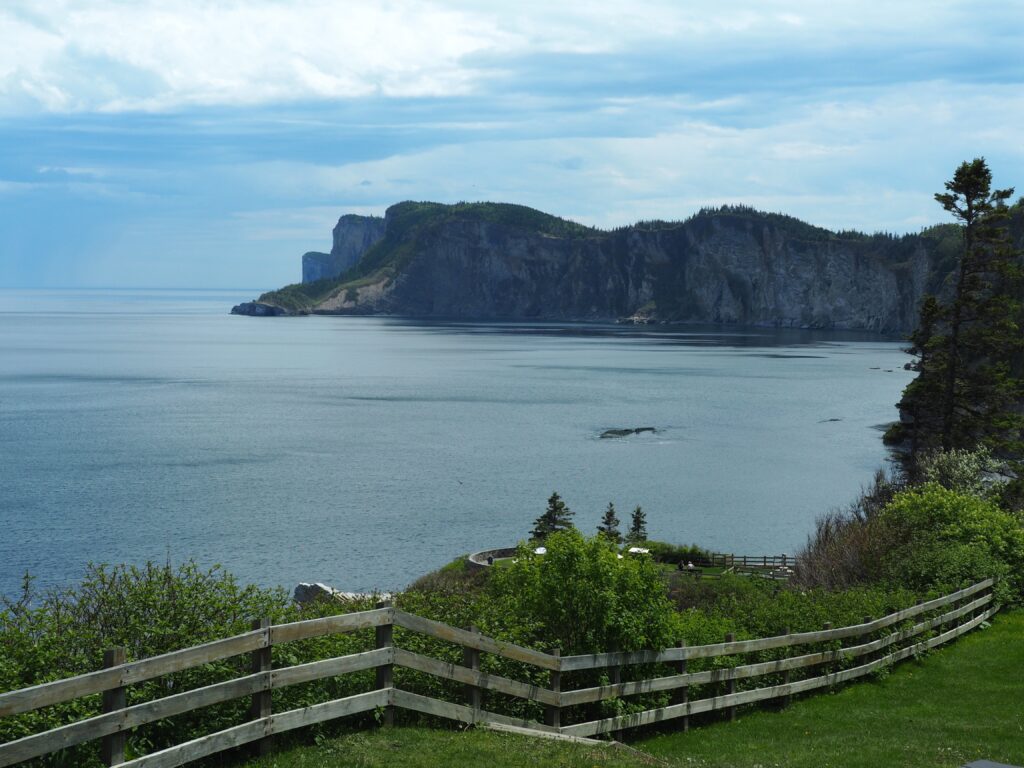
At the far reach of the Gaspé peninsula, peppered with lighthouses and brightly-coloured cottages is Forillon National Park, a forested nature preserve protecting ancient fossils, wildlife, seabirds, and an Indigenous heritage.
The park was created at a deep indentation in the terrain—the north shore of 450-million-year-old cliffs dropping into the Gulf of St. Lawrence and the southern shoreline along the moderate waters of Gaspé Bay. It’s home to wildlife including black bear and moose, scenic drives, many hiking trails, and historic locations like the reconstructed Hyman & Sons General Store, a nod to the golden era of cod fishing. Two of Forillon’s campgrounds can accommodate RVs (some with electricity) with a limited number of pull-through sites.
Ways to explore the area:
- Birding kits (adult and child) can be rented at the visitor centre with a backpack, binoculars, and bird identification guides.,/li>
- Nearby Cap-des-Rosiers Lightstation National Historic Site is Canada’s tallest. The burners powering the original circa-1854 beacon were originally fuelled by whale oil, then petrol, and now electricity.
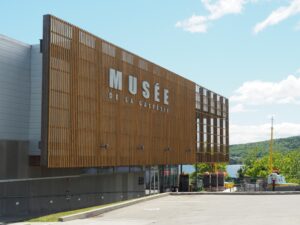
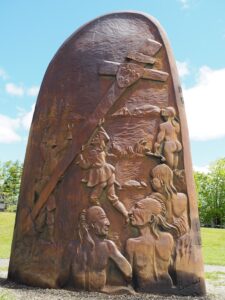
- Musée de la Gaspésie in the town of Gaspé is dedicated to local maritime history. Standing sentinel outside, dramatic cast iron sculptures represent explorer Jacques Cartier’s first contact with the Iroquois.
CENTRAL CANADA
Pukaskwa National Park, Ontario
https://parks.canada.ca/pn-np/on/pukaskwa
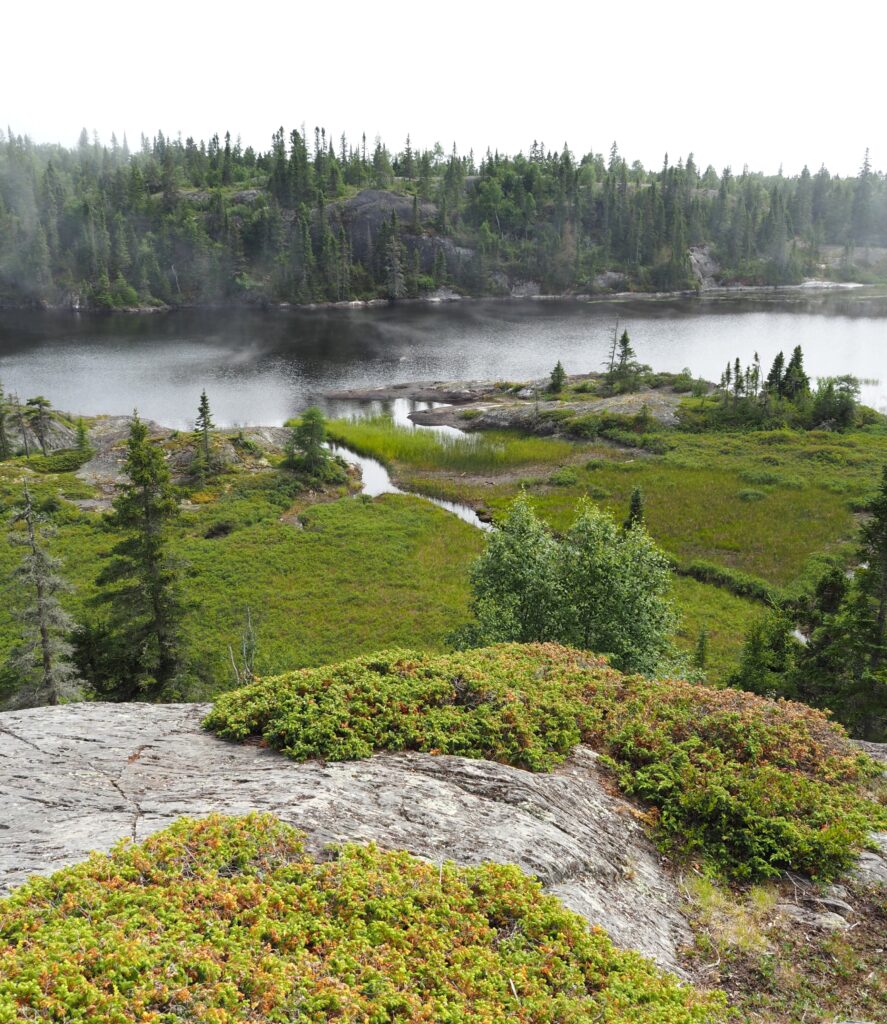
Many people skirt by Pukaskwa National Park, a 20-minute detour off the Trans-Canada Highway at the northeast tip of Lake Superior. As a result, the campground rarely fills up. The detour takes you to the largest undeveloped coastline in the Great Lakes—an environmentalist’s dream of rock, water, and protected boreal forest.
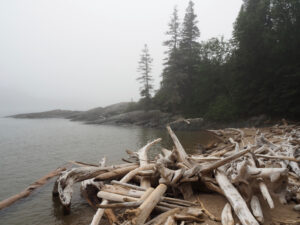
A highlight is the Bimose Kinoomagewnan trail, a circular pathway dedicated to the Anishinaabe Seven Grandfather Teachings. The trail follows granite outcrops surrounding a small lake; wooden signs explain the teachings of the elders: love, honesty, respect, wisdom, truth, humility, and bravery. Another great trail is the Beach Trail along a waterfront marked with massive piles of driftwood. The campground sites are well spaced, some with electrical hook-ups, and can easily accommodate small and mid-size rigs.
Pukaskwa’s remote location means it is a bit of a drive to get to highlights in the surrounding area. But here are a few ideas for your way in and out:
- The iconic Wawa goose, one of the most photographed landmarks in North America.
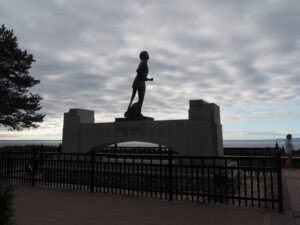
- Terry Fox Monument is a popular stop along the Terry Fox Courage Highway and stands as a symbol of courage, determination, and hope. It is close to the spot where Fox was forced to end his courageous cross-Canada run in his battle with cancer.
WESTERN AND NORTHERN CANADA
© Travel Alberta / Katie Goldie
Waterton Lakes National Park, Alberta
https://parks.canada.ca/pn-np/ab/waterton
The words often used to describe this park tucked into the southwest corner of Alberta are, “where the mountains meet the prairie.” Waterton Lakes is away from the main tourist traffic routes, making it even more appealing for some. The potpourri of expansive prairie, a string of lakes, and the commanding mountains create home for wildlife—wapiti, bighorn sheep, mule deer, bear—and fields of wildflowers. There are 255 kilometres of trails to hike and bike.
It’s a landscape carved by glaciers, creating some of the oldest exposed bedrock in the Canadian Rockies, a multitude of waterfalls, and impressive views over a string of the park’s namesake lakes. In 1932, Waterton Lakes joined with Glacier National Park across the border in Montana to form the world’s first International Peace Park—both are designated UNESCO Biosphere Reserves. The Townsite Campground has 246 sites, many with hookups and pull through sites. The Belly River Campground has no services with a more secluded experience.
Waterton Lakes is a bit removed (part of its appeal) but check out these highlights:
- Drive the Red Rock Parkway through the park (90-minute round trip) for spectacular mountain vistas.
- Stop at the Bison Paddock near the Pincher Creek entrance—the roaming creatures are direct descendants from the original herd of Great Plains bison. The paddock’s narrow road isn’t suitable for vehicles with trailers.
- Take the water shuttle service to the trailhead of the Crypt Lake Hike, named one of the “World’s 20 Most Thrilling Trails” by National Geographic.
- Indulge in an elk burger at the historic Kilmorey Lodge.
Kluane National Park and Reserve, Yukon
https://parks.canada.ca/pn-np/yt/kluane
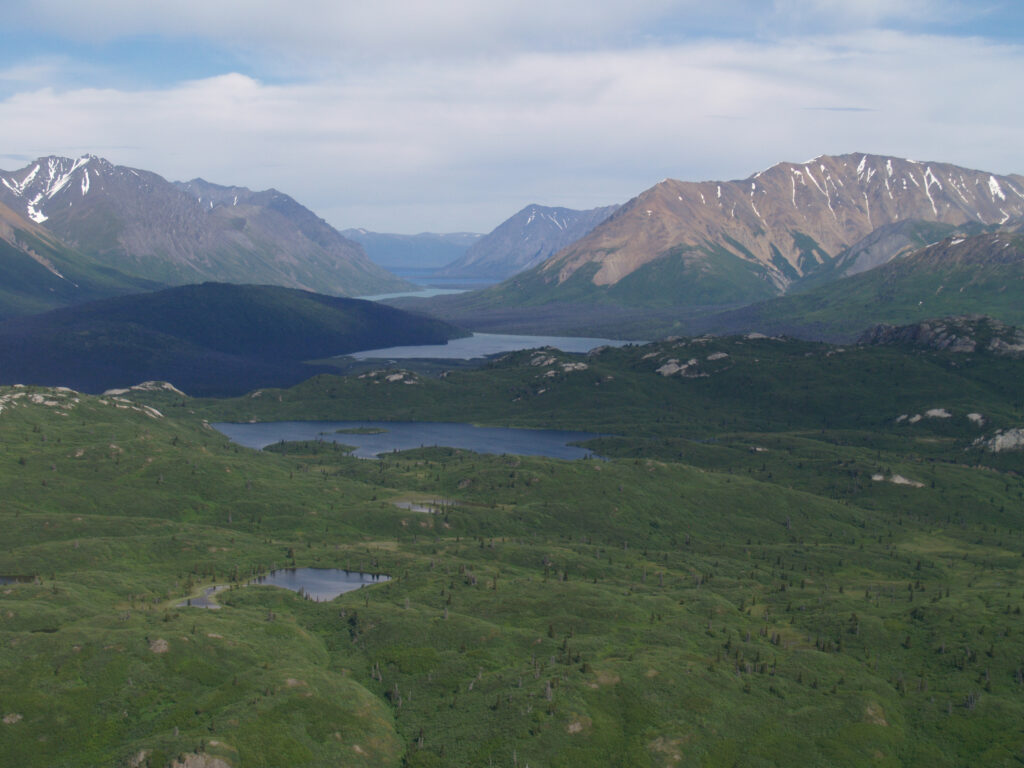
In summer, the “Land of the Midnight Sun” means light-filled days and nights, perfect for enjoying the backcountry wilderness. The June solstice sun doesn’t set at the Arctic Circle, so hiking, paddling, rafting, biking, and exploring into the wee hours are possible. Fishers come to troll the crystal-clear waters for lake trout, Arctic grayling, pike, and whitefish. The park’s Kathleen Lake campground (38 sites) has potable water, bear-proof storage lockers, and outhouses.
More spots to explore in the area:
- Follow the ultimate road trip along iconic northern roadways like the winding Silver Trail (Highway 11) to historic frontier mining towns.
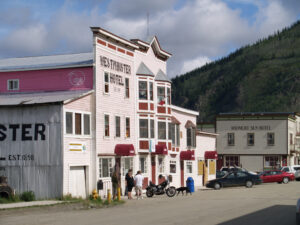
- Visit Dawson City, one of the Klondike National Historic Sites and the “heart of the Klondike Gold Rush,” a snapshot in time that bustles with the history of a wild era when prospectors rushed to follow dreams of riches.
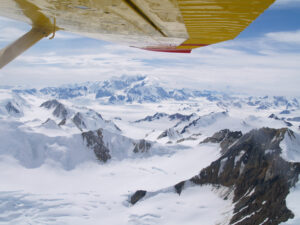
- Take a sightseeing flight by small plane or helicopter over the spectacular Kluane National Park Icefield Ranges, one of the world’s largest non-polar icefields.
Get your GPS and maps out, start planning . . . and go wild for Parks Canada!
Related Articles
Explorer RV Club’s 2022 National Rally: Here’s What Happened
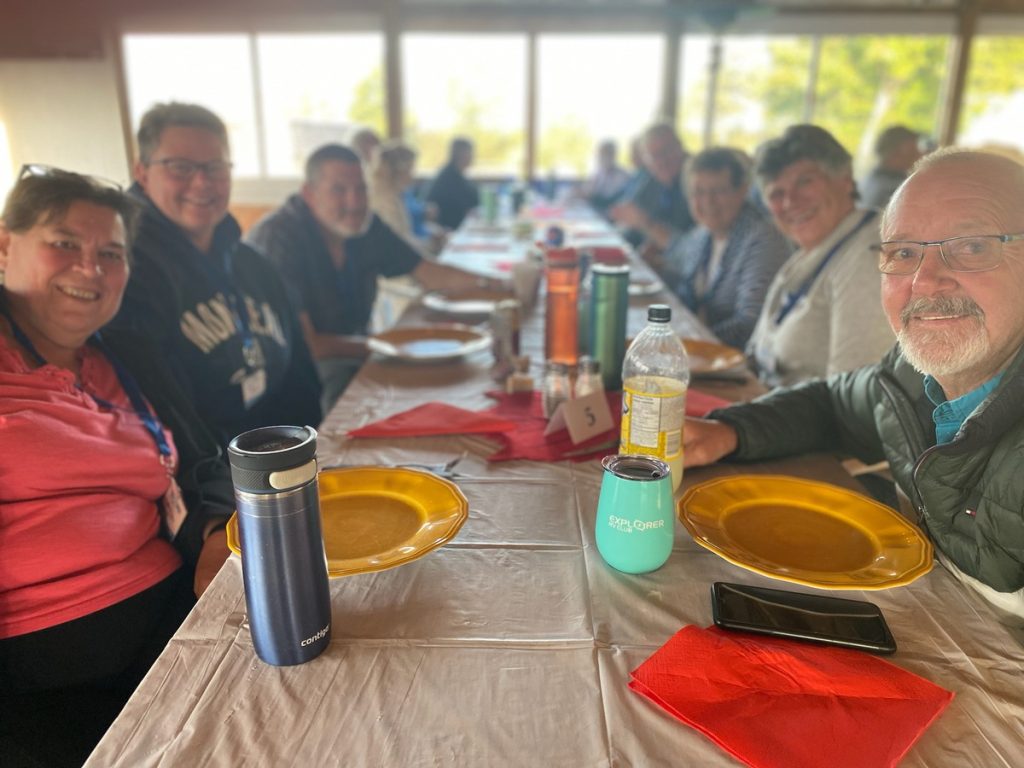
The 2022 Explorer RV Club National Rally was held at Camping Transit Campground in Lévis, Quebec, from September 15 to 18. A few members came in the day before to get an early start. The weather started wet, but the forecast didn’t disappoint, and the sun came out...

How Hamish Became a Snowbird & Tips for RVing with a Puppy
Following the loss of our dog Angus in the spring, my wife Linda and I agreed to no more dogs. We still had Molly, our 13-year-old Shih Tzu, a hardened camper. Then, we heard from a friend of a friend that a litter of Yorkie puppies would be available in November....
Grilling steak indoors
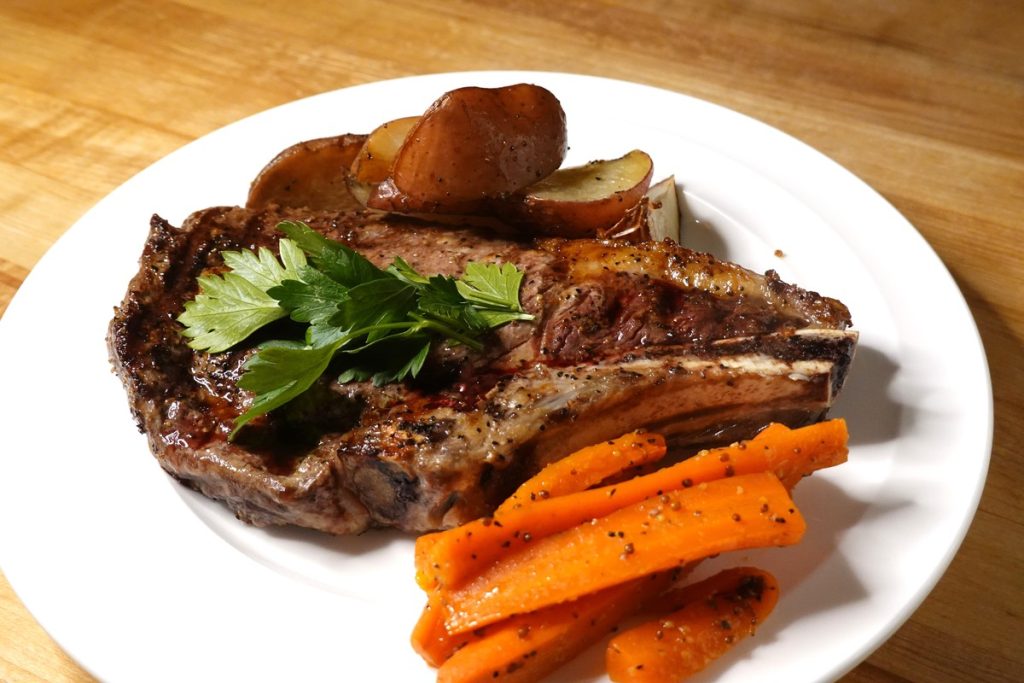
Grilling outdoors in winter has long been our house's badge of honour and stubbornness. There is a particular Canadian pride that comes with winter grilling. That said, I usually face blowing snow and howling winds with BBQ tongs in hand while expectant diners circle...